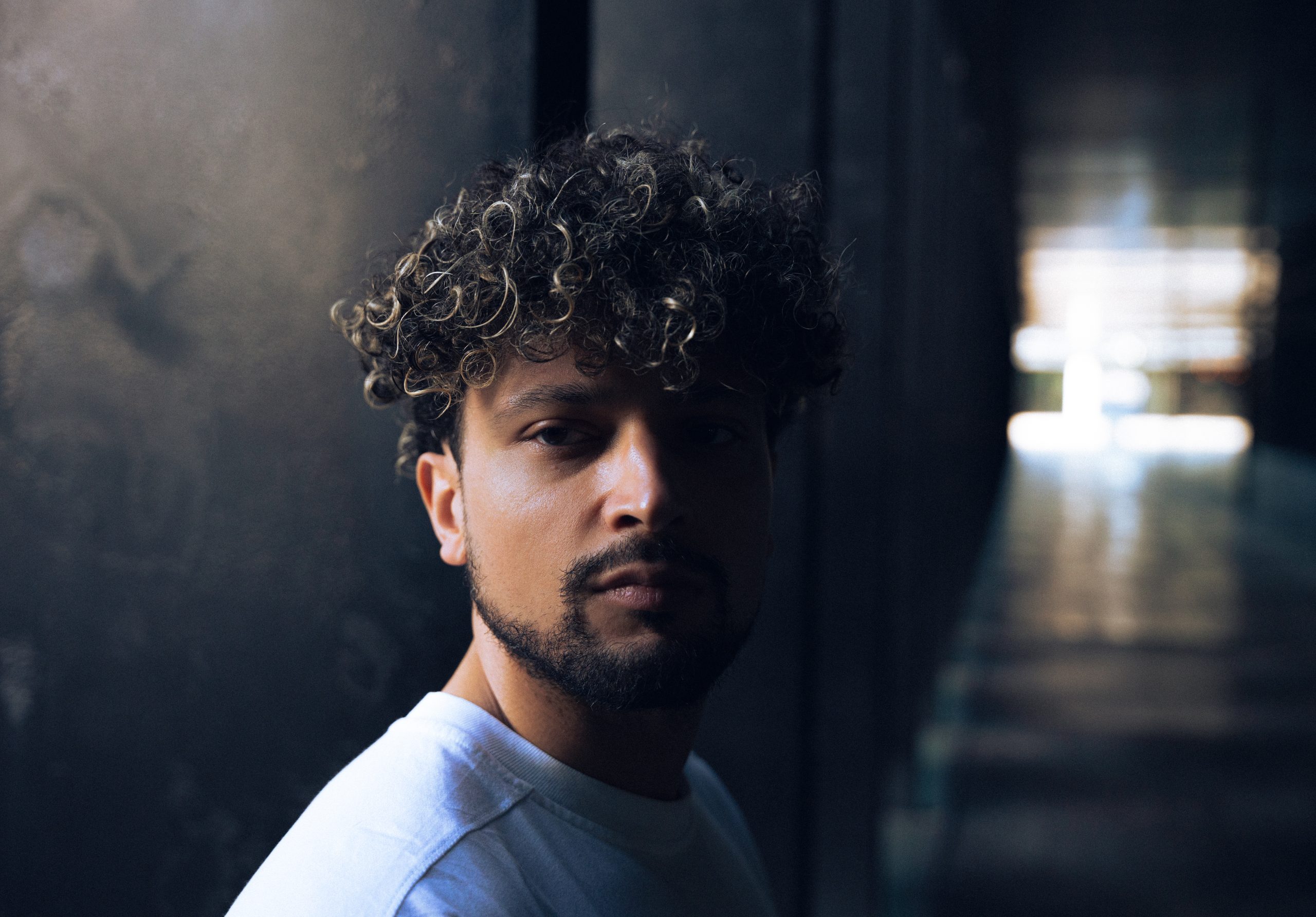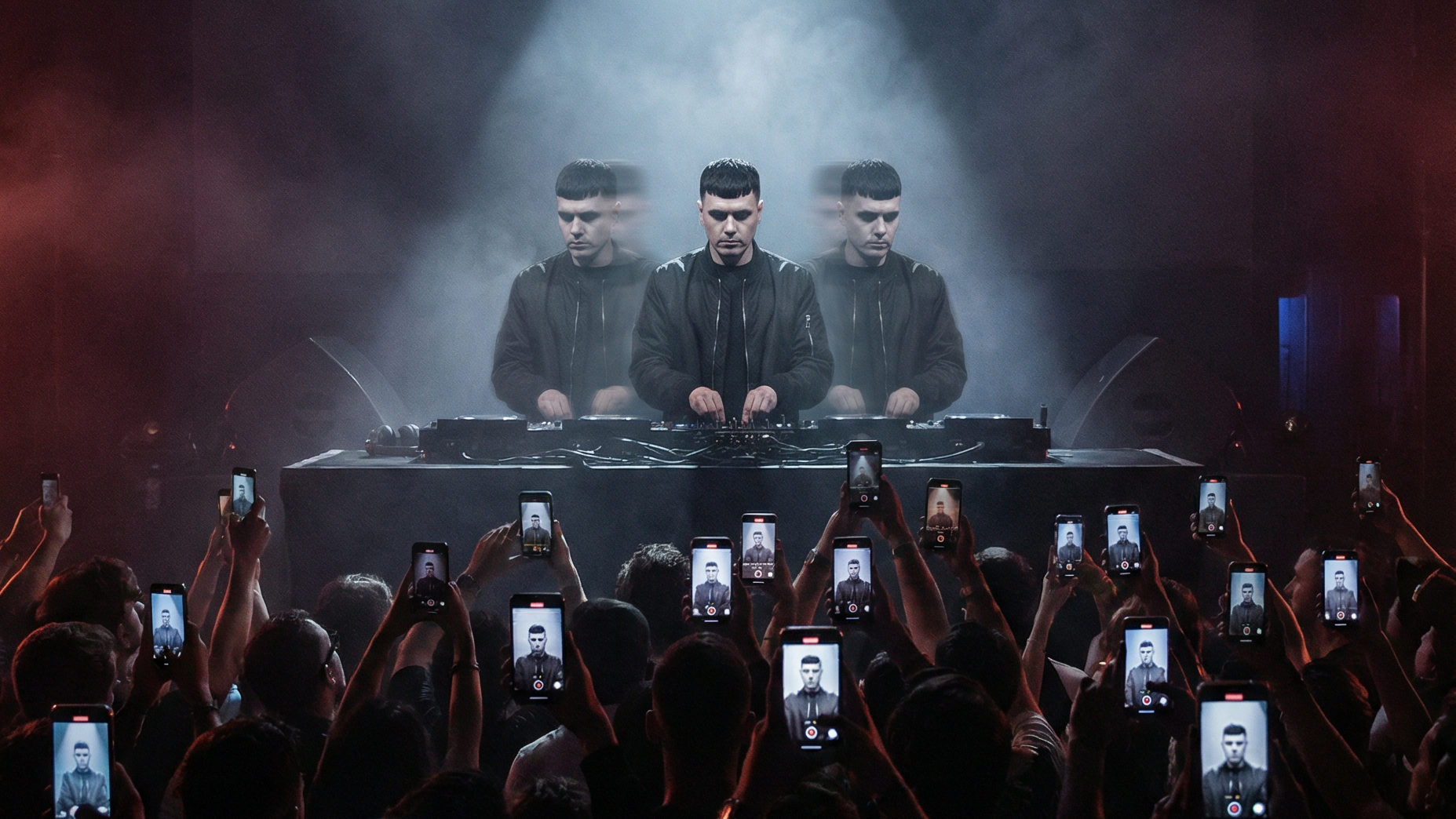



In the ever-evolving landscape of electronic music, moments of reinvention often define an artist’s legacy. For years, Armonica stood as a creative dialogue, a space of exchange and compromise that shaped a distinct sonic identity. Today, one half of that duo takes a leap into the unknown with his new solo project, ASAL — a venture rooted in instinct, freedom, and unfiltered expression. From collaborating with Afterlife and MRAK to debuting live in Barcelona, ASAL emerges as both a continuation of past journeys and a bold new chapter. In this conversation, he opens up about the motivation behind stepping away, the risks of walking alone, and how fashion, art, and music intertwine to create a timeless vision.
Q: What motivated you to step away from Armonica and start a solo project as ASAL?
After years inside a duo, I felt a natural urge to recalibrate, no negotiation, just accountability to my own instinct. ASAL is that space for unmediated expression. Armonica isn’t over; it’s simply on pause. But the moment arrived to walk alone for a while and see who I am without the safety net. I love to jump into the unknown.Q: How would you describe the difference between what you used to create with Armonica and what you aim to deliver as ASAL?
Armonica was dialogue, constant exchange, beautiful compromise. ASAL is instinct-led. I move quickly, follow my ear, and don’t feel obliged to rationalize every choice. It’s more intimate and yes, riskier, precisely why it feels truer to myself.Q: Have you started working on a new album or EP for your solo project?
I’m deep into a project slated for September. It’s evolving into a very personal document, less a concept than a portrait of where I am emotionally and sonically right now.Q: How did the collaboration with Afterlife come about? And can we expect to see you as a regular part of the Afterlife family in the future?
Music built the bridge. As Armonica we released with Afterlife and, over time, a real dialogue formed, especially with Carmine (MRAK, whom I know from my hometown Pescara, long before the birth of Afterlife). That continuity made releasing as ASAL feel organic. Afterlife is home base for me: a rigorous but generous ecosystem. I’m grateful, and I hope to contribute meaningfully over the long term.Q: What was the audience’s reaction like after your debut performance at Afterlife Barcelona?
It was my first live as ASAL, so there were nerves, the good ones. The second I started, the room locked in. Playing exactly what I felt, on my terms, was liberating. The crowd’s energy mirrored that back immediately.
View this post on Instagram
Q: It’s clear you have a strong interest in fashion and art — how does that influence the way you present your music?
I come from the fashion world. I started with Dolce & Gabbana a lifetime ago. For me, sound, image, and narrative are one system. The goal is coherence: a world you can recognize in a second, whether you’re hearing a chord or seeing a frame. The music scene today feels almost like a Marvel universe—filled with distinct characters that fans don’t just listen to, but follow, emulate, and sometimes even imitate. Artists are no longer just musicians; they’re cultural archetypes, with identities and aesthetics that expand beyond sound into lifestyle and storytelling.Q: How are you managing expectations now, considering your long history and success with Armonica?
I’m not managing them. I’m staying present. A year ago I wouldn’t have predicted a solo project; now it’s the honest next step. If the work is sincere, expectations tend to organize themselves.Q: Tell us how the collaboration with MRAK on “No Body” started — how did the idea come about and how did it evolve?
‘No Body’ came from an idea we’d been holding onto for a while. We tested an early version live and the reaction was instant, so we knew it had to become a real project. With Carmine, it’s a constant flow, we’re always creating, always working. Music comes before sleep, before food, it’s the priority.Q: What’s something you learned or discovered from working with MRAK on that track?
He’s a purist with a fiercely personal lens, genres don’t confine him; he defines the space he enters. He walks into the studio with a clear head and an open heart, zero formula. That discipline of freedom is rare and deeply inspiring. It reminds you of first principles: why we make music at all.Q: What’s the next step? Can we expect another live show soon or perhaps a new track release?
A new track lands in September, another marker for what ASAL is becoming. And yes, more live shows. I’m building carefully, piece by piece.Q: If you could meet a younger version of yourself, what’s the first piece of advice you’d give him about life and music?
As I mentioned I come from the fashion world, but more than 20 years ago I chose music over visibility. Fashion gave me an eye for aesthetics, but music gave me purpose. Today, too many chase attention over substance, while my only goal is to create something timeless. That’s why I live by my tattoo: Make Music No Friends — protect the craft, not the noise. I chose the harder path: patience, integrity, sacrifice. It’s not the easy way, but it’s the only one that lasts. Because when everything else fades, music remains. I don’t believe in formulas or giving advice — no recipe for success is needed. Just press play.