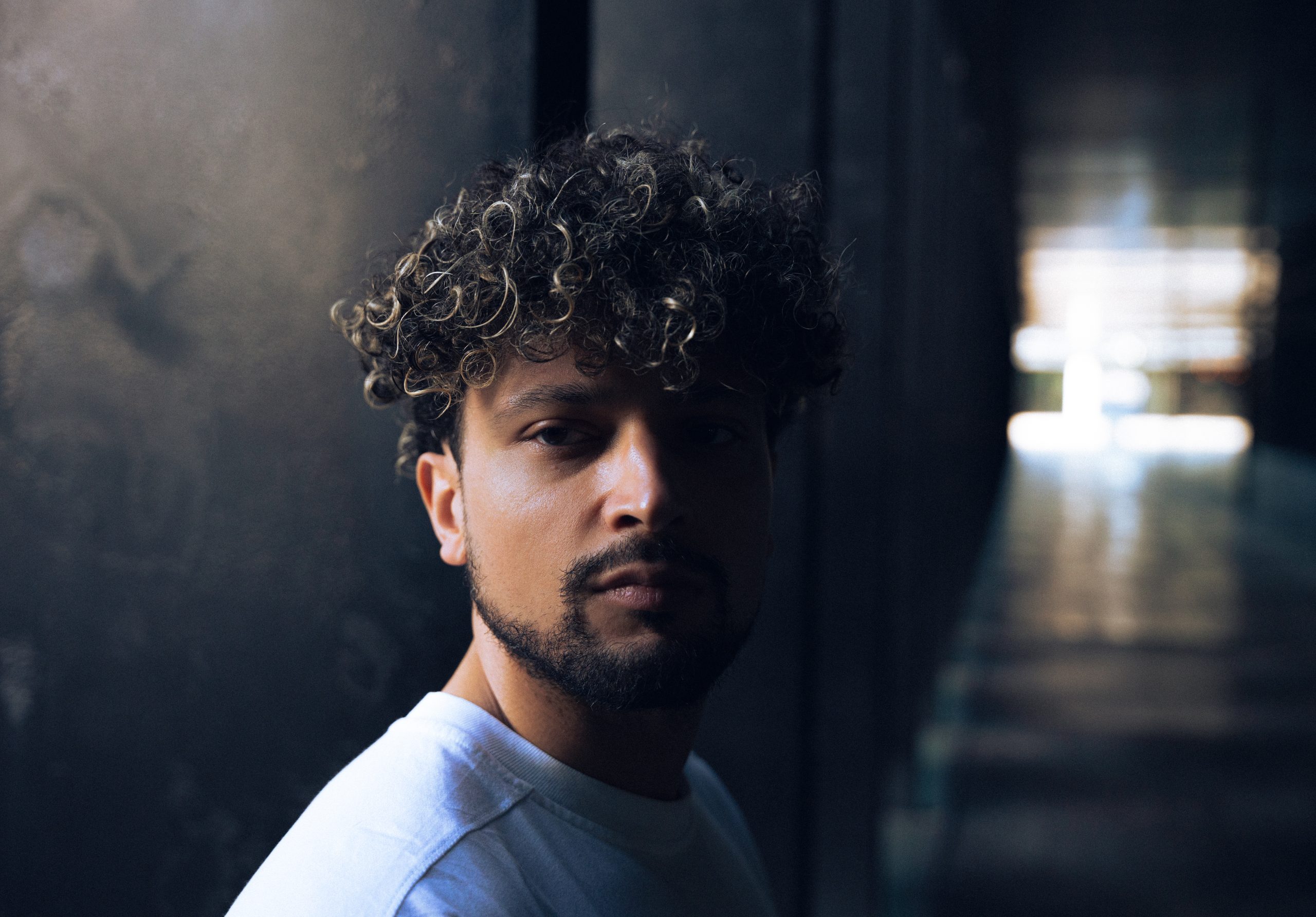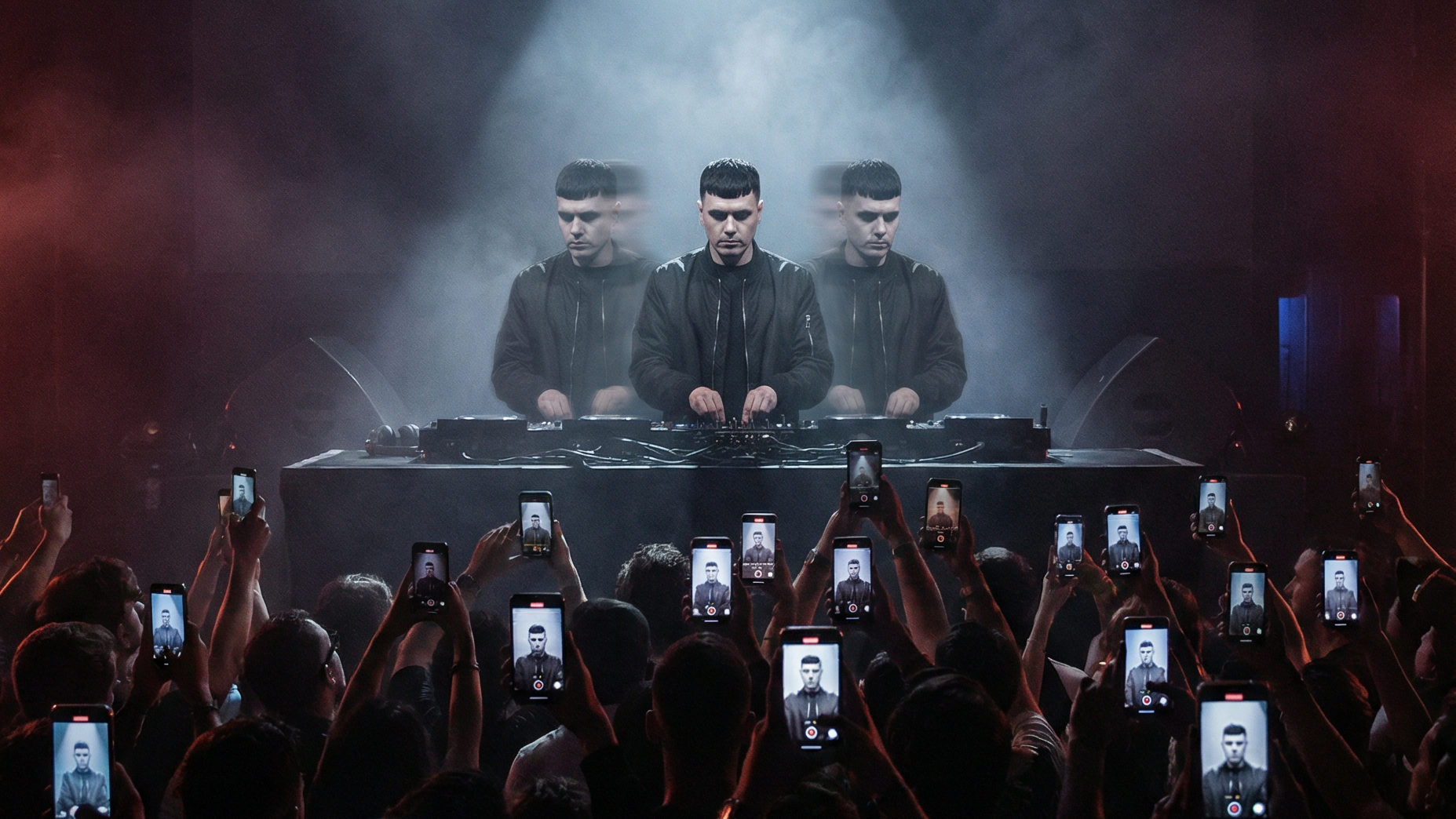



Mahmoud Zidan is a pioneering force in the Middle East’s music and entertainment scene, with over a decade of experience as a promoter, talent booker, and creative director. As the Managing Director of Kord Agency, he has played a key role in shaping Egypt’s electronic music landscape and bringing global acts to the region. Zidan is also the co-founder of IN ACT, a dynamic brand that blends music, events, and fashion—created to spotlight Arab talent and push Middle Eastern culture onto the global stage. With groundbreaking productions like Cercle at the Pyramids and major shows across Egypt and the Gulf, he continues to lead innovative projects that connect art, culture, and community.
In this exclusive interview, Yalla Techno sits down with one of the true architects of Egypt’s music revolution: Mahmoud Zidan. As the driving force behind Kord Agency and IN ACT, Zidan opens up about the realities of event production, the cultural gaps in the scene, and why the next wave of Arab talent needs more than just a stage—it needs vision.
Tell us about your experience with In Act. How did this journey start from Saudi Arabia and reach international recognition?
The journey began with a shared vision between myself, my partner at Kord, Bassel Enab, and our close friends and rising stars of the Saudi scene—Dish Dash. We sat together and felt a strong urge to create something that truly represents the region, not just another party series, but a full creative movement. That’s how IN ACT was born—a hybrid concept blending a record label, event series, and fashion brand under one bold identity.
From day one, our focus was on doing things differently—curating high-quality experiences, collaborating with world-class artists, and most importantly, showcasing talent from the Arab world on a global stage. In just a short time, we’ve taken IN ACT to international venues, hosted global names, and built a strong cultural presence rooted in the Middle East.
And this is just the beginning—we have exciting plans lined up for 2026 that will take our vision even further.
View this post on Instagram
How would you describe joining In Act and being part of a major upcoming event like Mathame this August?
IN ACT has truly become our baby—it’s a brand we’re deeply passionate about, and we’ve been pouring our energy and focus into shaping its identity and future. Being part of this journey feels incredibly rewarding, and I’m proud to be building something so meaningful alongside an amazing team.
As for the Mathame show this August, it’s going to be a next-level experience. We’re bringing years of event expertise, a strong creative vision, and a deep understanding of the Egyptian crowd to deliver something truly unique. I can confidently say it will stand out from anything we’ve done before.
Personally, I’m especially excited for Baset’s set—he’s one of my favorite artists right now, and seeing him on the lineup feels like the perfect fit for this kind of moment.
View this post on Instagram
You’re considered one of the oldest promoters and booking agencies in Egypt with years of experience — from your perspective, what has changed in the Egyptian event scene over the past 5 years?
I’ve been part of this scene for over 11 years, and it’s been incredible to watch the growth unfold. Over the past 5 years especially, we’ve witnessed a real boom—the market has expanded rapidly, with international artists regularly performing in Egypt and multiple events happening every week.
It’s exciting, but also complex. The scene is full of energy and momentum, but sometimes I feel the crowd hasn’t fully caught up with the culture. There’s a lot of FOMO and hype, and while that brings people in, not everyone understands or appreciates the deeper value of the music, the dancefloor etiquette, or the community behind it.
That’s why I believe education and guidance are key, especially for the newer generation. As promoters, we have a big role to play—not just in throwing events, but in shaping the culture, creating safe spaces, and helping people understand how to truly experience and respect the music. It’s about building a sustainable scene, not just a trending one.

What’s the one event you’re most proud of being part of, and why?
One of the most special moments in my career was producing the first-ever Cercle event at the Pyramids of Giza during the pandemic, featuring Sebastien Léger.
At the time, no one expected something like this to happen in Egypt—especially during such a challenging global moment. It was the first livestream of its kind at the pyramids, and it marked the beginning of a new wave of international electronic music events at one of the world’s most iconic landmarks.
I’m incredibly grateful to Derek, the founder of Cercle, for trusting me and believing in the vision. It wouldn’t have been possible without the support of Egypt’s Ministry of Tourism, who also saw the cultural and global value in the project.
That event wasn’t just a show—it was a statement. And it opened the door for everything you see happening at the pyramids today.
What was the most challenging event you’ve ever worked on — the one that really pushed you to your limits?
Without a doubt, the most challenging event I’ve worked on was the Adriatique Cercle show at the Hatshepsut Temple in Luxor.
This was Cercle’s first live show with an audience in Egypt, with a crowd of around 4,000 people—and it came with immense logistical and technical pressure. We weren’t just producing a show; we were doing a live broadcast from a UNESCO heritage site, with limited internet infrastructure, strict regulations, and incredibly sensitive permitting processes.
Every detail had to be perfect—from the live stream setup in such a remote and sacred location to ensuring the safety and comfort of the crowd without compromising the historical site.
But through all the challenges, we pulled it off. It was a powerful collaboration between Kord (my agency) and P+US, led by Rabih Mockbel, who played a major role in making the show a success.
It was a true test of our limits—but also one of the most rewarding experiences of my career.
How would you describe the current state of events in Egypt from your point of view — especially the dynamic between promoters and the audience?
As I mentioned earlier, the scene in Egypt is growing rapidly, and with that comes a lot of FOMO around events. People are excited, curious, and eager to be part of what’s happening—which is great. But it also brings challenges.
One of the biggest issues we face as promoters is the rising cost of organizing events. With the entertainment tax at 30%, plus high production and logistics costs, ticket prices can become expensive—especially for younger audiences. As a result, we often see tension at the doors, with people trying to get in without tickets simply because they can’t afford them. This creates a difficult dynamic and puts added pressure on both security and the event atmosphere.
What’s missing is a deeper understanding and respect for the culture. We’re not just creating parties—we’re building a movement, and that requires a level of commitment from both sides. As promoters, we need to continue educating our audience, guiding the next generation, and creating safe, respectful spaces.
I’m hopeful that with time, dialogue, and consistency, we’ll see a stronger, more united community around the music.

Why do you think certain styles — like hard techno or true underground techno — are still rarely booked by promoters in Egypt?
In Egypt, and more broadly across the region, most promoters tend to focus on sounds that attract a lifestyle-oriented crowd—genres like Afro house, melodic techno, or tech house, which are currently more aligned with VIP culture, fashion, and social scenes. These styles are seen as more accessible and commercially viable, especially when it comes to selling tables and attracting a wider audience.
On the other hand, hard techno and deeper underground genres are rooted in a very different culture. They typically thrive in warehouse settings, raw spaces, and require a certain freedom of expression—both sonically and visually. These elements don’t always fit within the infrastructure or social norms in many Arab countries, where there are still limitations on venue types and government regulations around sound, crowd behavior, and event formats.
It’s not about a lack of interest in the music—it’s more about the current ecosystem not being ready to support it at scale. Hopefully, with time and the right conversations, we’ll see more diversity in sound and event concepts across the region.
Name 3 artists you dream of organizing an event with.
There are so many artists I admire, but if I had to choose three dream acts to work with, they would be:
• Cigarettes After Sex – Their sound is emotional, cinematic, and timeless. I can already imagine an open-air show with them under the stars in a unique location like the desert or the Red Sea coast.
• Fred again.. – He’s redefining what live electronic music means today. His energy, emotional depth, and connection with the audience are unmatched—I’d love to create a moment with him in Egypt.
• Tame Impala – A true visionary. Their music crosses genres and cultures, and I think bringing them to the Middle East would be a groundbreaking experience for both the audience and the scene.
Each of these artists brings a different emotional layer, and my dream is to pair them with the right setting and story to create unforgettable memories.
In your opinion, why is the financial risk of events in Egypt often higher than the guarantee of profit — even though it’s a potentially very successful business?
One of the biggest financial pressures of organizing events in Egypt is the 30% entertainment tax, which is applied on gross ticket sales, not net profit. That alone significantly limits the margin for promoters—even before covering production, artist fees, logistics, and marketing.
Unless you have strong sponsorship support, or access to venues and land through government or corporate partnerships, it becomes extremely difficult to break even, let alone profit. The cost structure is simply too high to sustain without external backing.
That said, the potential for success is absolutely there—Egypt has a vibrant, growing audience and a beautiful landscape for events. But to truly make it a profitable and scalable business, you need the right network, government support, and strategic sponsors behind you. Without that, even a sold-out show can mean a financial loss.
And finally, we need one exclusive piece of info from you — something no one else knows yet.
Here’s your exclusive: IN ACT is going global.
This year, we’re bringing the brand to London, Beirut, and Amsterdam—with more cities to follow.
We also have a massive track release coming this September that we truly believe will turn heads. It’s the kind of sound that reflects who we are and where we’re going.
Our mission is clear: to put the Middle East firmly on the global map, not just through events, but through music, talent, and culture. And we’re just getting started—watch this space.