
In 2026, techno music is no longer just a sound — it has become a lifestyle, shaping identity, fashion, and community across global electronic scenes.
Melodic, hard, hypnotic, industrial, minimal, acid — each sub-genre carries its own mood, energy, and expectations. Over time, these sounds have formed small worlds around them, shaping how people dress, move, and connect on the dancefloor.
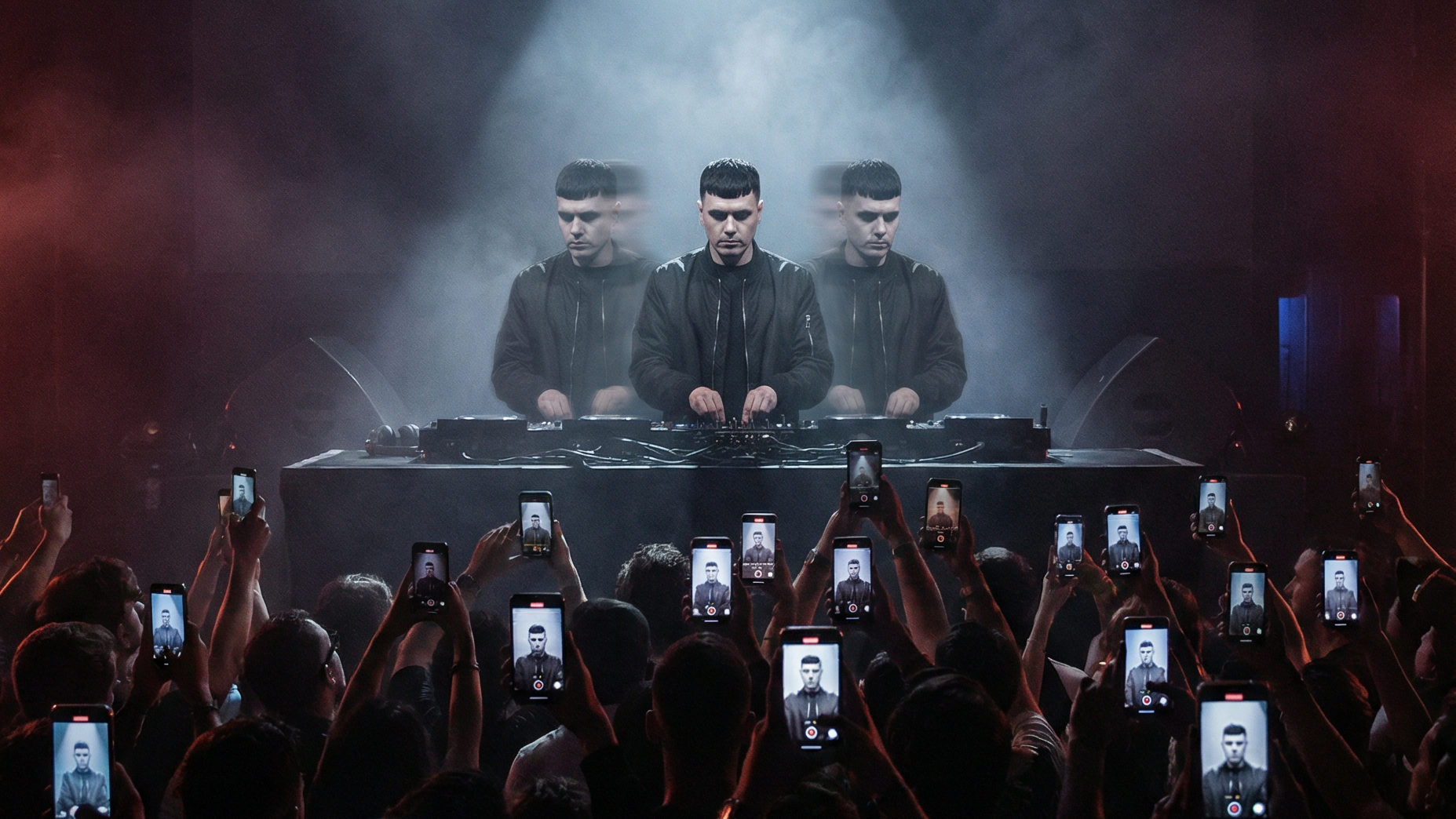
Gesaffelstein Wins First Grammy While Staying Away From Social Media
This isn’t necessarily a bad thing. Genres help us find spaces where we feel comfortable and understood. They give language to emotions that are often difficult to explain. For many, discovering a specific techno sound feels like discovering a part of themselves.
Problems begin when these preferences slowly turn into identities.
When sub-genres become boxes instead of starting points.
When exploration gives way to loyalty — to one sound, one scene, one version of self.
Techno wasn’t always experienced this way.
At its core, it was designed to blur boundaries, not reinforce them. Repetition, anonymity, and long-form journeys allowed people to step away from labels. You didn’t need to define yourself. You just needed to listen.
As the scene moved online, that changed.
Platforms like Resident Advisor and Mixmag continue to shape global electronic music culture
Social media encouraged clearer signals. What you listened to became part of how you presented yourself. Sharing tracks, outfits, and dancefloor moments turned music into something visible and declarative. In this environment, genres stopped being just sound — they became personality markers.
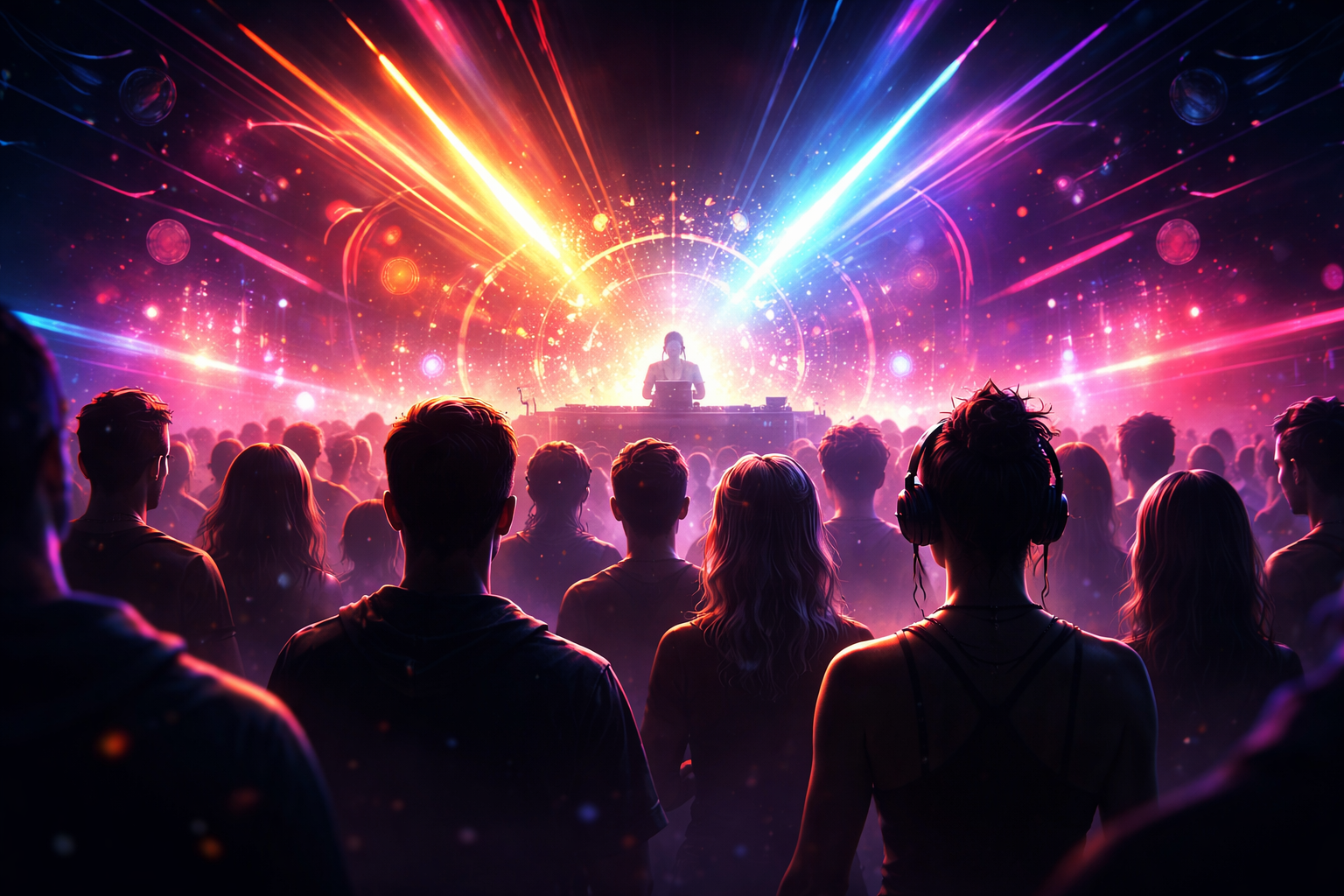
This influence is felt on dancefloors too.
Different styles attract different energies, and that diversity can be beautiful. But it can also create invisible lines. People stick to familiar rooms, familiar sounds, familiar crowds. Curiosity takes a back seat to comfort.
Techno Music Identity in 2026 and the Rise of Global Subcultures
Still, openness hasn’t disappeared. This shift in techno music identity in 2026 reflects
Some of the most memorable nights happen when expectations soften. When a crowd stays for a slower, deeper stretch than planned. When harder, rawer sounds unexpectedly connect. These moments remind us that taste doesn’t have to be fixed.
Loving a sub-genre deeply is natural. It gives meaning and direction to our listening. But when music becomes a way to define who we are — rather than a space to experience something together — its role starts to narrow.
Techno works best when it leaves room for movement.
Not only in the body, but in taste and identity.
When listeners feel free to drift between sounds without feeling like they’re betraying something.
Maybe techno doesn’t need to describe us at all.
Maybe its quiet power lies in offering a space where we don’t have to be anything — Understanding techno music identity in 2026 helps explain…
Except present.