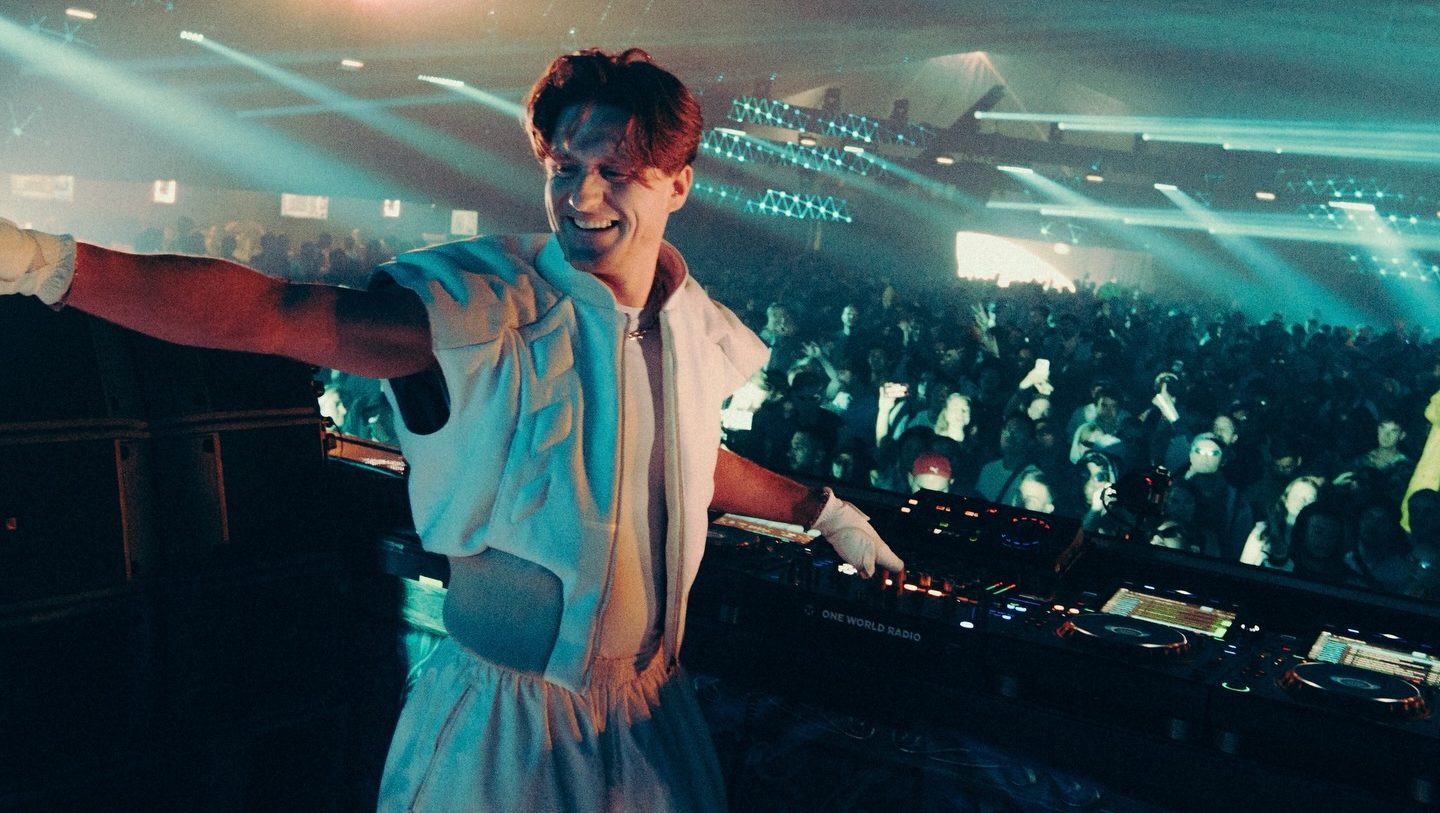

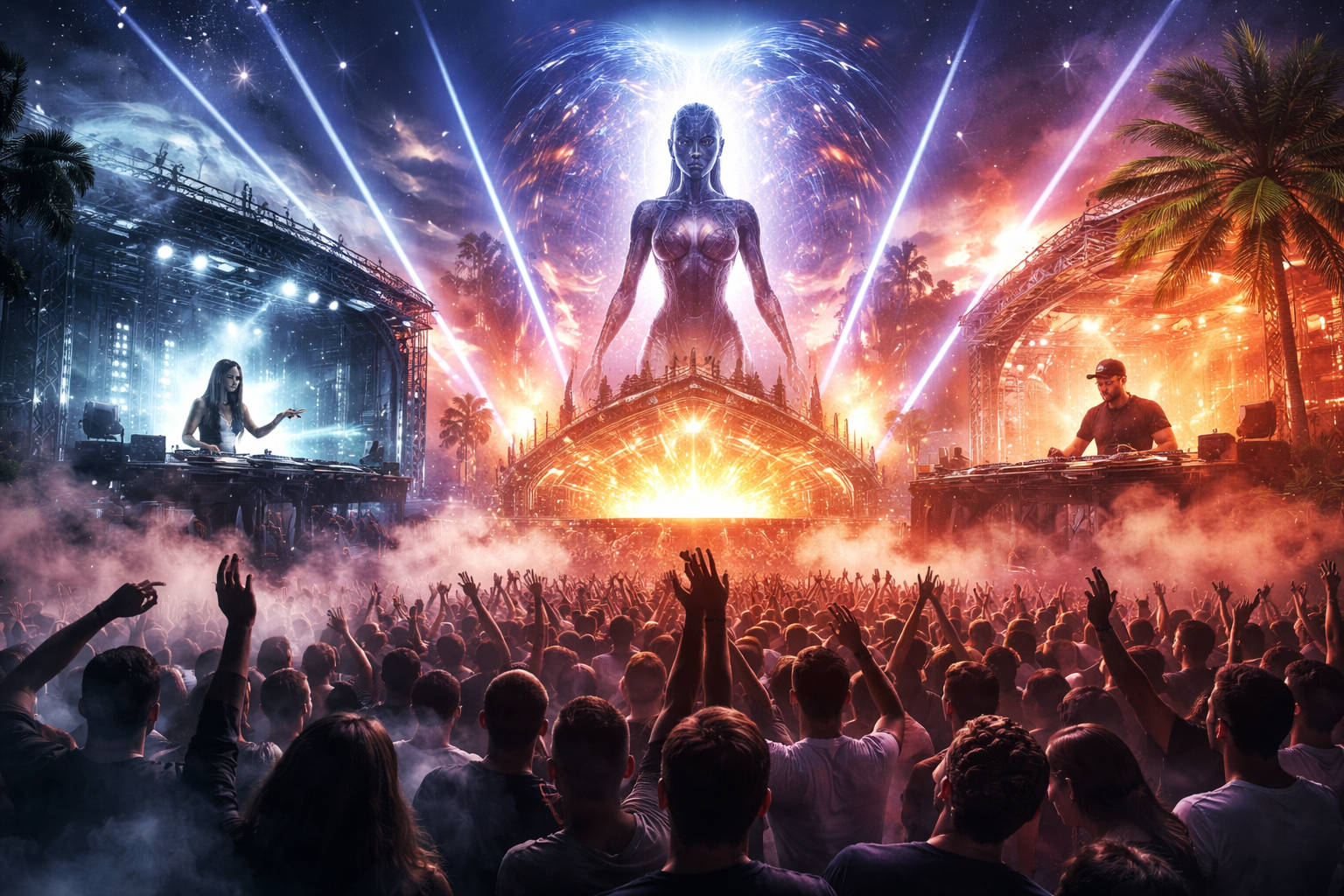
A Yalla Techno Global Outlook :
Techno sub-genres 2026 are evolving faster than ever, with melodic techno, hard groove, and industrial sounds reshaping global dance floors.
As festival programming shifts and audience tastes diversify, the battle for dominance is becoming more defined.
As techno moves deeper into the second half of the decade, the conversation is no longer about underground versus mainstream. By 2026, the genre has expanded horizontally rather than vertically. Instead of one sound replacing another, multiple sub-genres now thrive simultaneously — each commanding its own global audience.
This isn’t fragmentation.
It’s evolution.
The modern techno ecosystem no longer operates under a single hierarchy. Festivals, club circuits, and touring markets across continents now support different sounds at the same time. Techno hasn’t chosen a direction — it has chosen scale.
Schranz & Hard Techno: From Underground to Main Stage
Once considered purely underground, schranz and hard techno have officially gone global.
What began as warehouse-driven resistance has evolved into a touring, headline-ready movement. Artists such as Sara Landry, 999999999, and I Hate Models now command peak-time slots at major festivals — not just niche events.
Across Europe, South America, and parts of Asia, hard techno crowds now rival melodic techno audiences in size and intensity. High BPM, distorted kicks, and relentless energy are no longer fringe preferences — they are mainstream festival demands.
This rise reflects a generational shift toward:
-
Physical release
-
Emotional catharsis
-
Raw, unfiltered dancefloor experiences
By 2026, schranz is no longer counterculture.
It is culture.
Melodic Techno: The Cinematic Empire
Melodic techno remains techno’s most visually driven export.
Artists like Anyma, Tale Of Us, and Adriatique have transformed the genre into a large-scale performance format built on:
-
Immersive visuals
-
Narrative storytelling
-
Long-form emotional journeys
While critics argue melodic techno has reached saturation, the numbers tell a different story. Demand hasn’t slowed — it has stabilized. The genre has matured into a premium segment of the market, where high production value and cinematic presentation define the experience.
Destination festivals, sold-out arenas, and global tours continue to prove its dominance.
Melodic techno isn’t fading.
It’s institutionalized.
Tech House: Quietly Winning
Despite social media narratives, tech house never disappeared.
It may no longer dominate trend cycles, but its crowds never left. Clubs, beach venues, and mainstream festival stages continue to rely on tech house to deliver consistent energy and packed dancefloors.
Its power lies in functionality:
-
Groove-based
-
Accessible
-
Socially driven
In regions like the Middle East, Southern Europe, and the Americas, tech house remains one of the most reliable sounds in electronic music. Promoters trust it. Crowds respond to it. Dancefloors stay full.
Tech house didn’t decline — it simply stepped out of the hype cycle and survived it.
Afro House & Hard Bounce: Parallel Movements
Afro house continues its steady global rise. Collectives like Keinemusik have pushed the sound beyond niche scenes into international consciousness. Its cultural depth, organic rhythms, and emotional storytelling resonate across continents — from Europe to Africa, the Middle East, and Latin America.
Meanwhile, hard bounce is emerging as a hybrid movement:
-
Trance nostalgia
-
Hard techno energy
-
Rave-era playfulness
It blends old-school euphoria with modern intensity. While its long-term dominance remains uncertain, its momentum is undeniable — especially among younger crowds searching for something both nostalgic and aggressive.
Final Thought
Techno hasn’t chosen one direction.
It has chosen scale.
In 2026, there is more room than ever for every sound to thrive — from underground roots to main-stage spectacles. Diversity isn’t a trend anymore. It’s the new structure.
And that’s exactly what makes techno stronger than ever.
— Yalla Techno