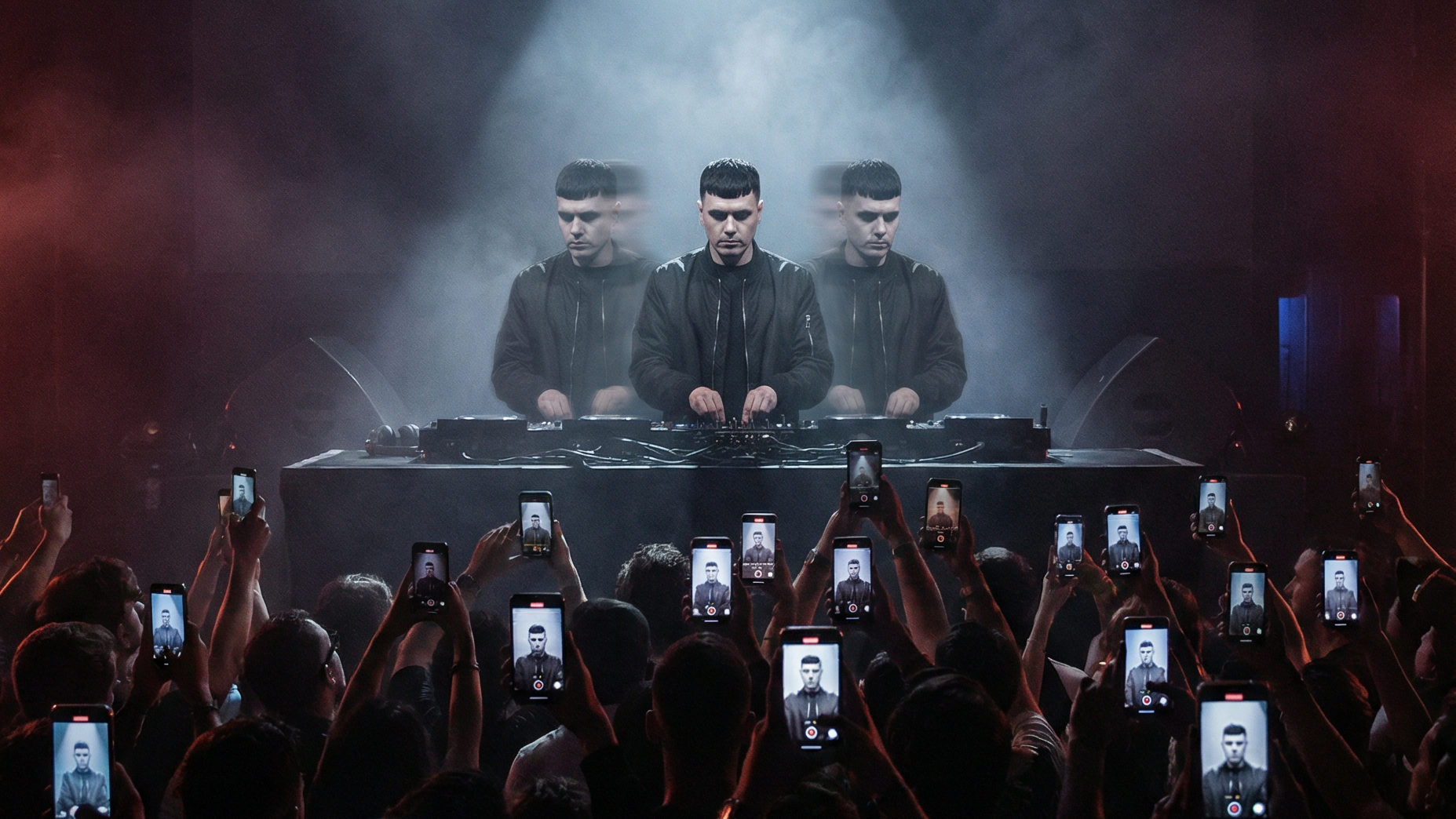


Techno has always been defined by one sacred principle: the dancefloor. From Detroit’s first illegal warehouses to Berlin’s concrete cathedrals, the essence of rave culture has never been about status, wealth, or comfort—it has always been about unity through music, strangers becoming one under relentless basslines. But as VIP culture takes hold in 2025—lounges, bottle service, roped-off balconies—many fear the true soul of the rave is slipping away.
The New Reality of “Premium Raving”
Festivals and clubs increasingly roll out tiered experiences. A standard ticket gets you into the crowd; a platinum pass promises faster entry, private bars, and elevated viewing decks. For promoters, the math is clear: without these premium offerings, rising costs of production, artist fees, and regulation could make large-scale events unsustainable.
Yet on the ground, the atmosphere shifts. Instead of a single, unified mass of bodies surrendering to sound, the floor fractures. A hierarchy reappears—some rave on the floor, others watch from velvet-roped sanctuaries.
The Clash of Values
For old-school ravers, this isn’t just about money—it’s about meaning. The authentic rave soul was never born in lounges, champagne booths, or private terraces. It was forged in sweat-drenched crowds, where everyone is equal and anonymity is liberation.
The critique is sharp: VIP culture doesn’t just change where people stand—it changes what the rave represents. A scene once defined by equality and escape risks becoming just another mirror of the outside world’s divisions.
The Promoter’s Dilemma
Organizers defend the model as survival, not betrayal. They argue that premium tiers subsidize regular tickets, keeping events accessible for the majority. Without that cash flow, many festivals would collapse, forcing the culture deeper underground—or erasing it entirely.
Still, critics ask: if survival requires abandoning the values that gave techno life, what exactly is being preserved?
A Scene at War With Itself
The controversy boils down to a simple but vital question: Where does the true rave soul live? For some, it can coexist with lounges and luxury—after all, the music remains the same. For others, the moment exclusivity takes root, the spirit dies.
Techno has always thrived on tension—between underground and mainstream, freedom and control, rebellion and commerce. Now it faces a new tension: dancefloor vs. lounge. The answer will decide whether the rave continues as a movement of unity, or fades into another stratified nightlife industry.