 By
By 
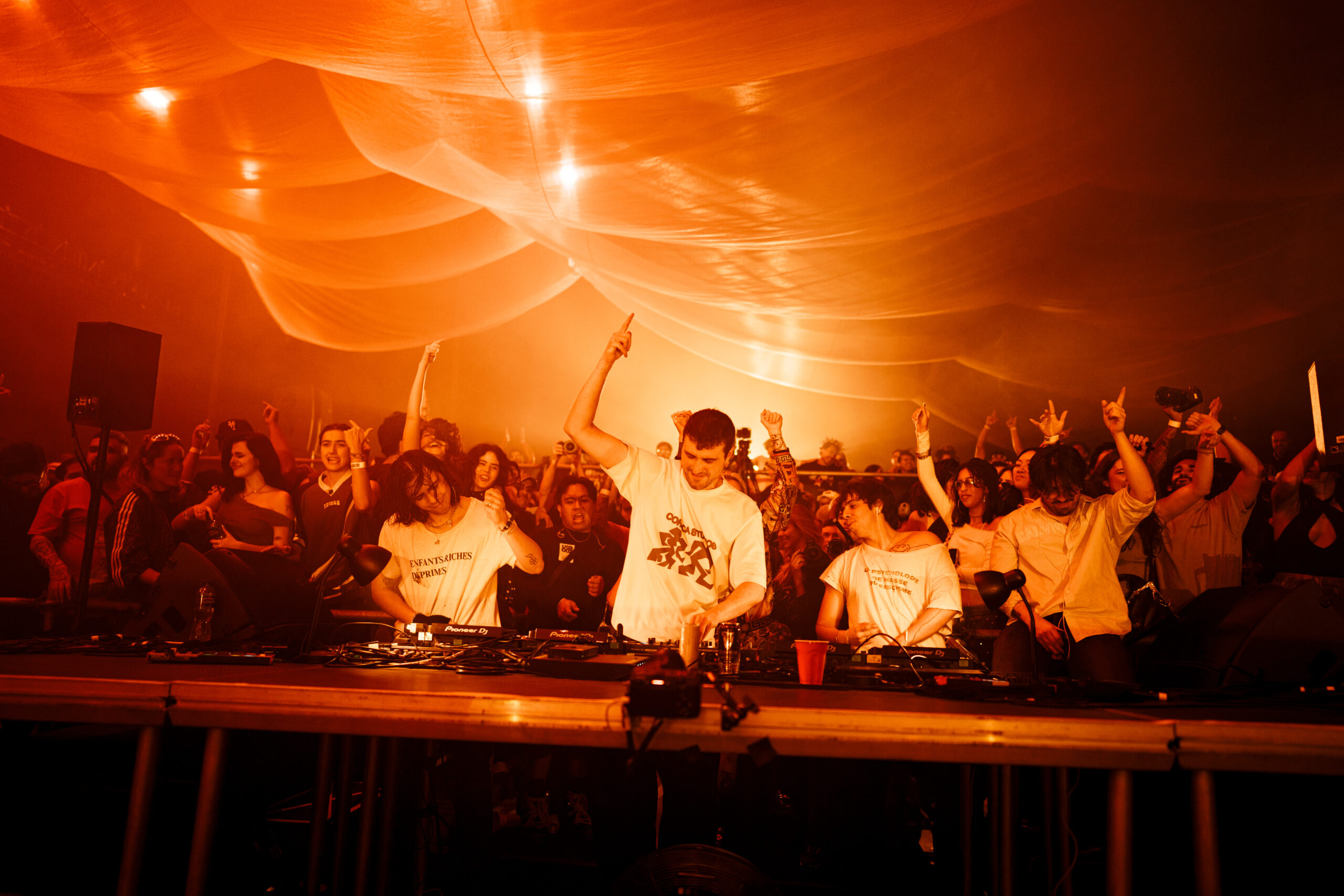
Rave culture brings people together through music, movement and shared space. A night of dancing can be enjoyable and physically active, but that does not make every club night a health intervention. The useful question is what a particular night offers, and what it asks of your body.
What the evidence supports
The World Health Organization’s physical activity guidance links regular activity with physical and mental health benefits. Dancing is one way to move, although its intensity and duration vary. That evidence should not be stretched into a claim that attending a rave reliably changes hormone levels, treats anxiety or improves cognitive performance.
Seven aspects of the experience to consider
1. Movement
A dancefloor offers space to move for enjoyment. You can choose your own pace and take breaks. There is no need to turn a night out into an endurance challenge or measure its value by calories burned.
2. Enjoying music
Hearing a favourite track on a good sound system can be a rewarding part of the experience. Enjoyment is valuable in its own right; it does not need an unverified explanation about dopamine or endorphins.
3. Shared company
Going with friends, meeting familiar faces and sharing musical interests can make an event meaningful. A welcoming atmosphere depends on the venue and the people in it, rather than being guaranteed by a genre.
4. A break from routine
Focusing on a set can offer a change from everyday tasks. That is different from claiming that repetitive music produces the same effects as meditation or professional mental health care.
5. Self-expression
Clothing, movement and personal style are part of club culture. Good spaces allow people to participate without pressure to dance, dress or behave in a particular way.
6. Creative discovery
DJ selections, lighting and visual design can introduce audiences to unfamiliar work. This is a cultural benefit; it should not be presented as proven improvement in brain function.
7. Choice and comfort
The best night for one person may be overwhelming for another. Being able to step away, find friends or leave is part of a positive experience, not a failure to enjoy the event.
Hearing and other practical limits
Loud sound can damage hearing. WHO’s safe-listening advice recommends hearing protection in loud places, distance from speakers and breaks in quieter areas. Risk depends on both sound level and exposure time.
Heat, fatigue and substance use also need consideration when planning a night out. Music and community do not cancel those risks. Choose events that make it easy to find water, quieter space and help, and respect your own limits.
A balanced view
Raving can be an enjoyable cultural and social activity. Calling it either inherently healthy or inherently unhealthy misses the differences between events and individual experiences. Appreciate the music and connection while keeping health claims grounded in evidence.
Related reading: Are Festivals Losing Their Soul to Instagram?.