 By
By 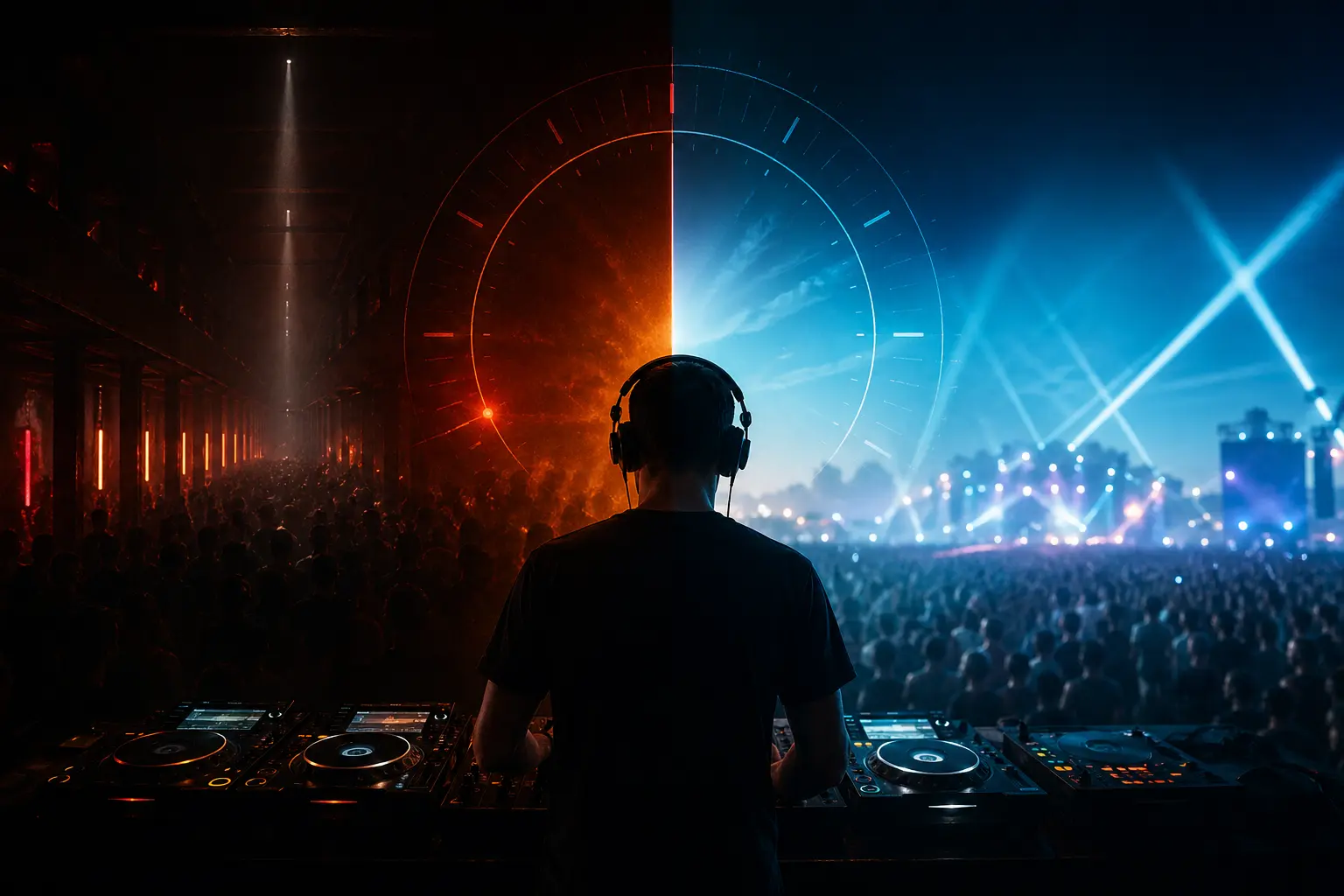
The Philosophy of Long Sets
For years, the long DJ set stood as a defining pillar of electronic music culture. Extended hours behind the decks weren’t just a format—they were a philosophy. Time allowed space for storytelling, for tension to rise and fall naturally, for dancers to settle into a rhythm that felt almost timeless.
Today, that philosophy is being quietly reexamined.
The Shift Toward Shorter Sets
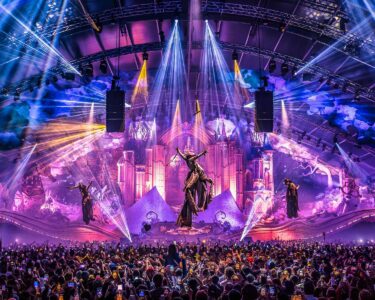
Across global lineups—especially at large-scale festivals—the standard set has tightened to 60–90 minutes. It’s a shift driven by scale and logistics as much as audience demand. Bigger events mean more artists, more variety, and a faster-paced experience. In that environment, a DJ isn’t guiding a long journey—they’re delivering a concentrated statement.
From a YallaTechno-style global outlook, this isn’t simply a loss or a gain—it’s a reflection of how the scene itself is expanding.
Europe: Time as a Creative Tool
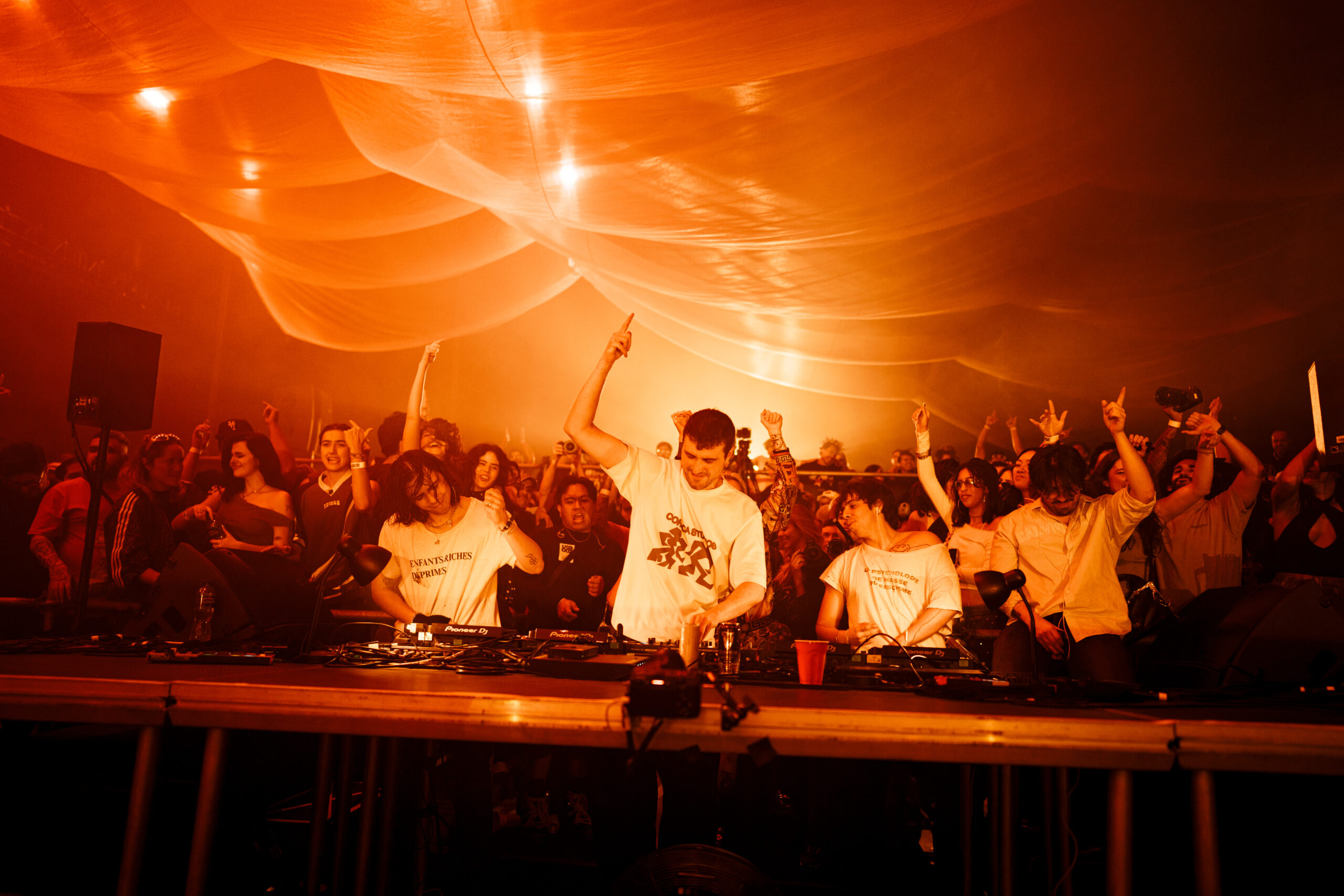
In Europe, particularly in institutions like Berghain, extended sets remain a core part of the culture. The expectation is patience. Energy builds gradually, transitions are subtle, and the dancefloor evolves over hours. Time is treated as an essential creative tool.
View this post on Instagram
Emerging Scenes: A Hybrid Model
Meanwhile, in emerging and hybrid scenes—cities like Cairo included—the model is more fluid. Club nights may still allow room for longer, more exploratory sets, while festivals and large events lean toward shorter, high-impact performances. It’s a balance shaped by both global influence and local crowd behavior.
North America & Asia: Efficiency First
Elsewhere, particularly in North America and parts of Asia, efficiency often defines programming. Audiences are used to movement—multiple artists, constant shifts, and tightly structured schedules. Here, shorter sets aren’t a compromise; they’re the norm.
Duration Is Now Contextual
What this global contrast makes clear is that duration is no longer a fixed standard—it’s contextual.
Short Sets: Precision Over Time
Short sets prioritize precision. DJs are expected to engage quickly, maintain energy, and deliver a clear, memorable identity within a limited window. There’s less room for risk, but also less room for drift.
Long Sets: Depth and Exploration
Long sets prioritize depth. They allow space for experimentation, slower transitions, and moments that don’t need immediate payoff. They invite immersion rather than instant reaction.
Neither format is inherently better—but they create fundamentally different experiences.
The Risk of Losing Depth
And this is where a real concern begins to emerge.
If the industry continues to favor shorter, high-impact sets, what happens to the deeper side of the craft? The ability to build a narrative over hours, to take risks without instant validation, to let a dancefloor evolve organically—these are skills that can’t fully exist in compressed time slots.
There’s also a long-term question: will new generations of DJs still develop that depth if they rarely get the chance to play beyond an hour?
Finding the Balance
From a YallaTechno global perspective, the goal isn’t to choose sides—it’s to maintain balance. Short sets bring accessibility, diversity, and energy. Long sets preserve storytelling, patience, and musical identity.
But if one starts to dominate completely, the culture risks becoming one-dimensional.
The Real Question
So the question isn’t just long vs short.
It’s whether the scene can protect space for both—before one quietly disappears.
Related reading: Carl Cox Releases Exclusive 7-Hour DJ Mix from [UNVRS] on Apple Music.