 By
By
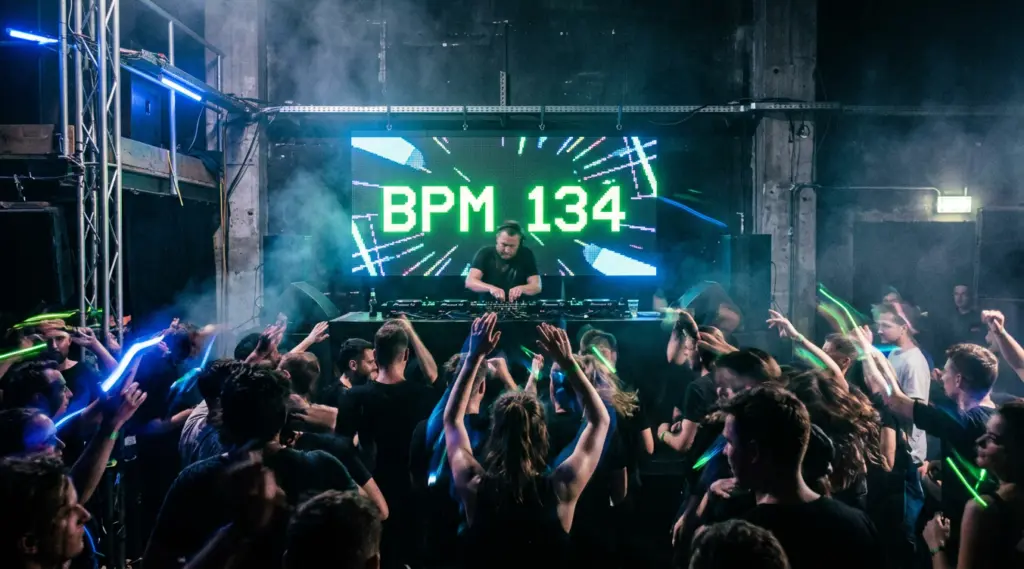
If you’ve been on a dancefloor recently, you’ve felt it.
The BPM is climbing.
Not just inside hard techno warehouses — but inside rooms that once belonged to rolling, groove-driven tech house. Tracks that comfortably lived at 126–128 BPM are now pushing 132… 134… sometimes even 136.
This isn’t accidental. And it’s not a CDJ glitch.
It’s a shift.
From Groove to Velocity: What Changed?
For years, tech house thrived on bounce. Tight drums. Elastic basslines. Space between elements. The groove was king.
Artists like Michael Bibi and PAWSA built a global movement around restraint — hypnotic loops that pulled dancers inward rather than overwhelming them.
But something evolved.
Now we’re hearing:
-
Sharper percussion
-
Harder kicks
-
Shorter breakdowns
-
Faster drops
There’s clear cross-pollination with hard groove energy and even subtle trance revival textures. The edges are rougher. The tension builds faster. The payoff comes quicker.
Even mainstream selectors like FISHER have been testing faster edits in recent sets — not abandoning tech house, but heating it up.
The Tech House BPM shift is no longer underground speculation. It’s happening in real time.
Why Is Tech House BPM Increasing?
Part of the answer is cultural.
The modern dancefloor has changed:
-
Attention spans are shorter
-
Drops need to hit faster
-
Arrangements are built for social media clips
-
Energy needs to spike quickly
Higher BPM means quicker adrenaline. Faster crowd reaction. Instant momentum.
Platforms like TikTok and Instagram have quietly influenced track structure. Intros are tighter. Builds are punchier. Climaxes arrive sooner.
The dancefloor is reacting to digital culture.
The Underground Resistance at 128 BPM
But not everyone is accelerating.
In smaller underground spaces across Europe, many DJs are deliberately staying at 128 BPM. Letting tracks breathe. Looping longer. Building tension slowly instead of detonating it every two minutes.
Artists orbiting the darker melodic spectrum — like Adriatique — lean into depth over speed. Hypnosis over impact. Subtle progression over explosive transitions.
The result? A quiet split inside the genre.
Side A: Tech house drifting toward peak-time techno intensity.
Side B: A return to groove-first minimalism.
Evolution or Overstimulation?
Electronic music has always gone through cycles.
When progressive house became oversized, it recalibrated. When melodic techno became hyper-cinematic, producers stripped it back.
Scenes stretch toward excess before snapping into refinement.
We might be in that stretch right now.
Because increasing BPM is easy.
Maintaining groove at higher speeds?
That requires skill. Taste. Control.
The DJs who survive this Tech House BPM shift won’t simply be the fastest — they’ll be the ones who understand tension.