 By
By 
From Underground Curiosity to Mainstage Presence
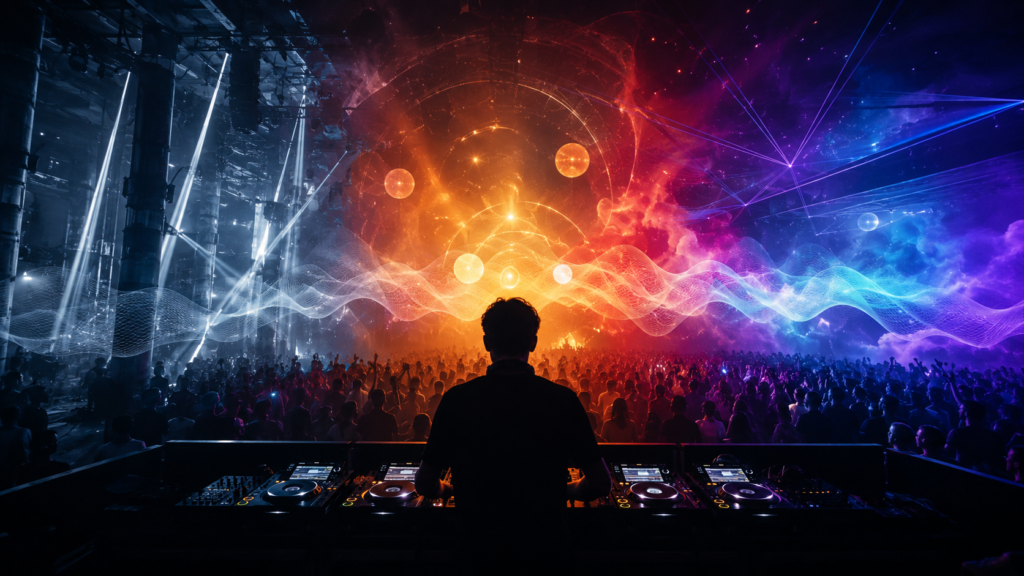
Over the last few years, Indie Dance has evolved from a niche corner of electronic music into one of the scene’s most talked-about genres. Once, it was associated primarily with smaller underground venues and boutique festivals. However, the sound has steadily found its way onto larger stages, influential record labels, and the playlists of a growing global audience.
Positioned somewhere between house, techno, disco, and alternative music, Indie Dance has developed a unique identity that appeals to listeners looking for something beyond traditional club music. Its rise has coincided with a broader shift in electronic music culture. Now audiences increasingly seek emotional depth, groove, and individuality rather than purely peak-time functionality.
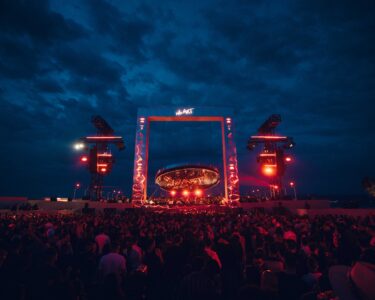
Today, lineups across Europe, the Middle East, South America, and Asia regularly feature Indie Dance artists alongside established techno and house names, reflecting the genre’s growing influence within the wider electronic landscape.
Why Audiences Are Connecting With the Sound
One of the key factors behind Indie Dance’s popularity is its accessibility. While techno can sometimes lean toward darker, more repetitive structures, mainstream house often prioritizes immediate hooks. Indie Dance occupies a middle ground that feels both dancefloor-oriented and emotionally engaging.
The genre embraces melodic elements, organic percussion, retro-inspired synths, and vocals that often draw influence from indie rock and new wave music. This combination creates tracks that feel energetic without being overly aggressive. Additionally, the music is emotional without becoming overly sentimental.
For many listeners, the appeal lies in the groove. Indie Dance productions frequently focus on rolling basslines and rhythmic movement. As a result, they encourage longer journeys on the dancefloor rather than relying on dramatic drops or high-intensity moments. This has resonated strongly with a generation of club-goers seeking immersive experiences and musical storytelling.
Social media has also played a role in accelerating the genre’s growth. Short-form content platforms have helped expose audiences to tracks that blend nostalgic sounds with modern production techniques. Therefore, this creates a bridge between electronic music enthusiasts and listeners coming from alternative music backgrounds.
A Trend or a Lasting Evolution?
As the genre continues to expand, questions remain about whether Indie Dance’s current momentum represents a passing trend or a more permanent shift within electronic music culture.
The evidence increasingly points toward the latter. Rather than replacing house or techno, Indie Dance appears to be carving out its own space by attracting a diverse audience that values musical experimentation and cross-genre influences. Artists continue to push the sound in new directions, incorporating elements from disco, synth-pop, progressive house, and even rock music.
The genre’s flexibility may ultimately be its greatest strength. Unlike scenes built around rigid stylistic boundaries, Indie Dance thrives on evolution and reinterpretation. Consequently, this openness allows producers and DJs to continually refresh the sound while maintaining its core identity.
Whether experienced in intimate club settings or on major festival stages, Indie Dance has established itself as one of the most dynamic movements in contemporary electronic music. As audiences continue to embrace groove-driven, emotionally rich experiences, the genre’s influence shows little sign of slowing down.
Related reading: Does Genre Still Matter In Dance Music?.