 By
By 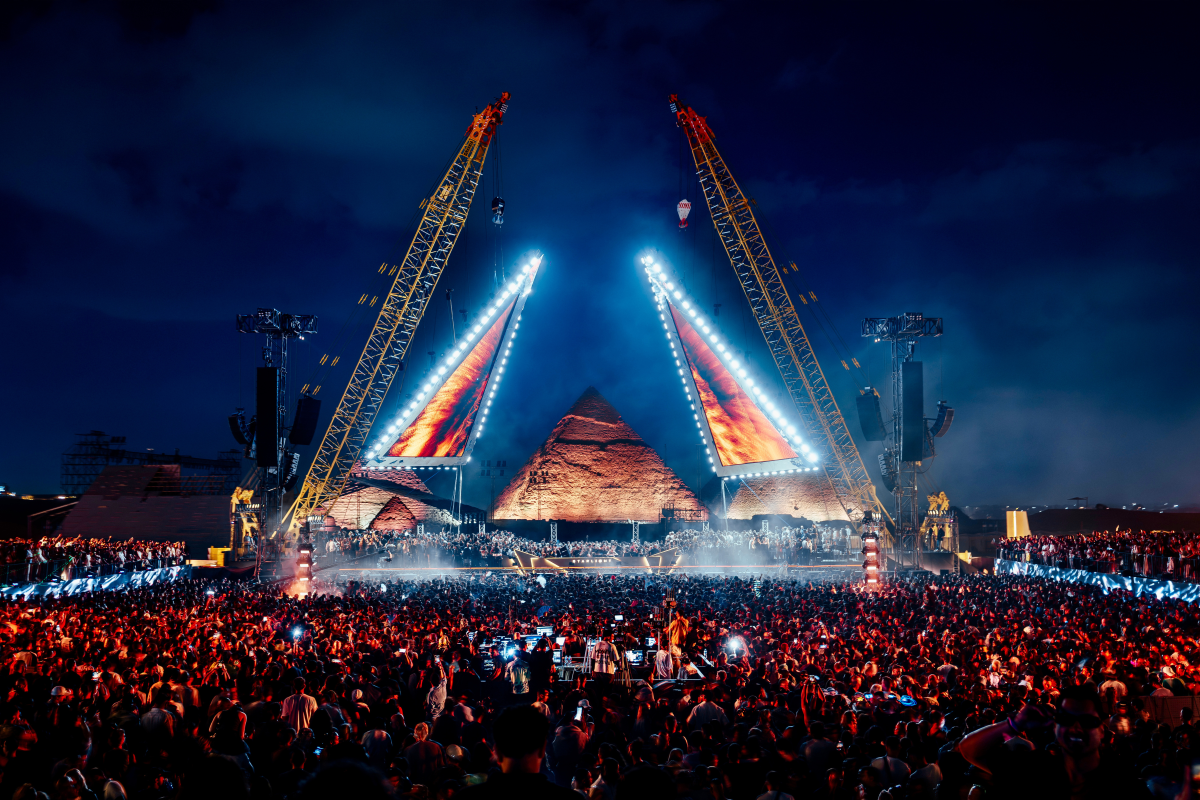
Multimedia studio SILA SVETA brought a distinctive visual vision to Starlight Festival, designing three stages and overseeing a multimedia production at the foot of the Pyramids of Giza.
Organized by the team behind EXIT Festival, the two-day electronic music event featured more than 50 artists. These included Charlotte de Witte, Michael Bibi, Adriatique, Vintage Culture and Pete Tong.
For SILA SVETA, the project marked an opportunity to collaborate with a team it had known for years. Additionally, Co-Founder and Creative Director Alexander Us described Starlight’s launch at the pyramids as the ideal occasion to finally work together.
Three Stages With Their Own Visual Identities
SILA SVETA designed the festival’s MAIN, Orion and No Sleep stages, giving each its own visual identity and atmosphere. The large-scale MAIN stage served as the visual centerpiece, while Orion and No Sleep offered more intimate environments.
Working alongside its music division, SILA SVETA Music, the studio’s responsibilities extended beyond stage design to creative direction, executive production, technical management, lighting and video content.
View this post on Instagram
A Main Stage That Framed the Pyramids
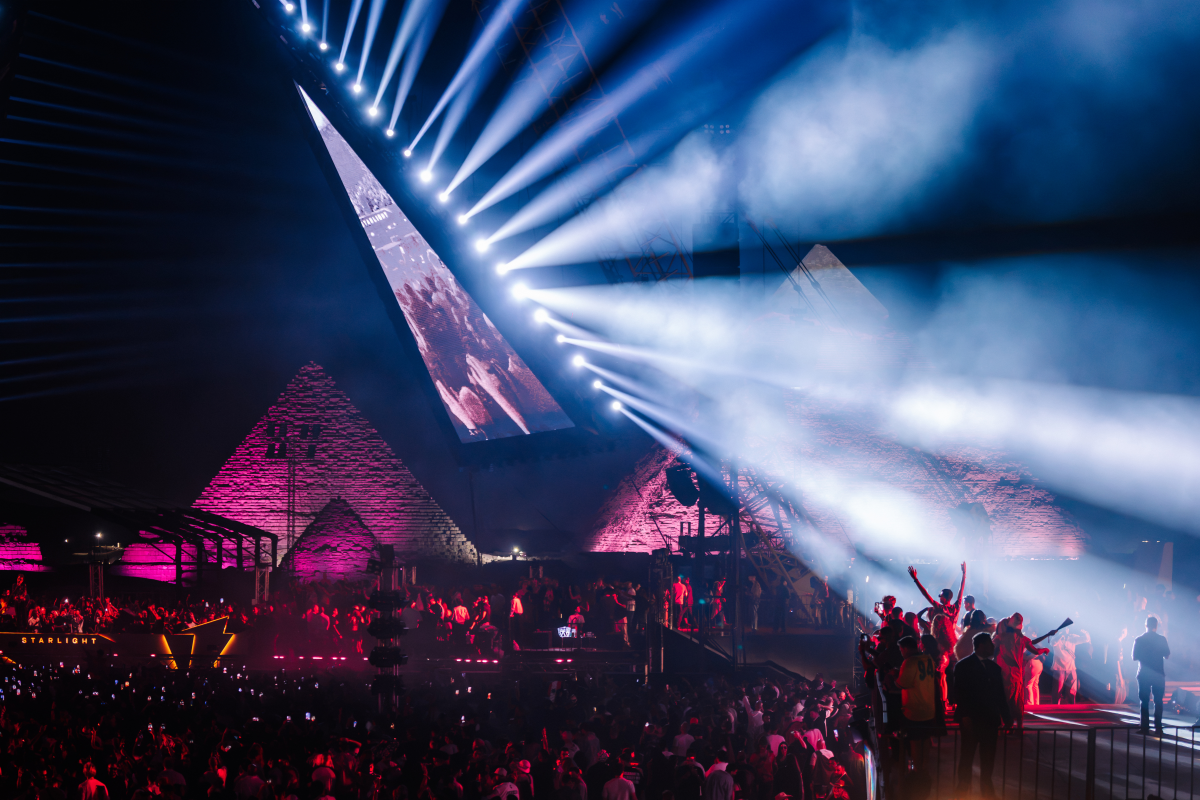
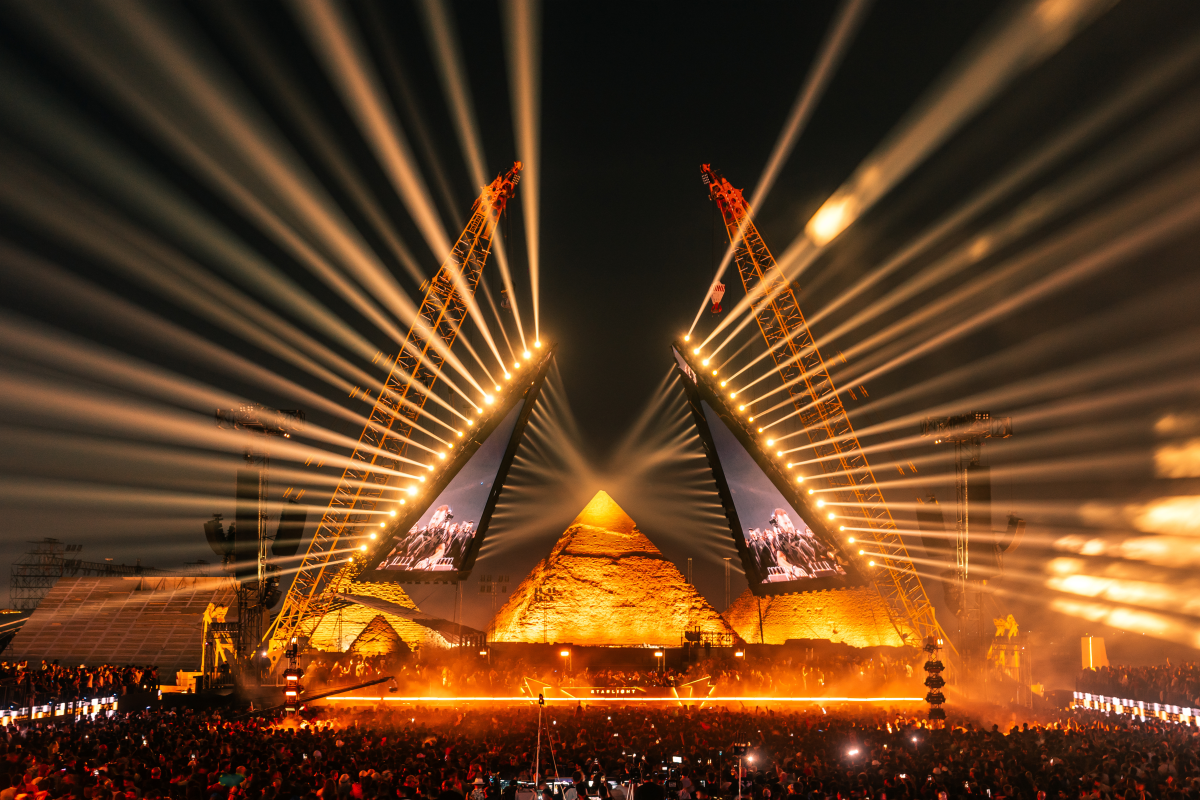
The MAIN stage featured two elongated triangular screens suspended from construction cranes. Rather than filling the space between them, the design kept it open, preserving the view of the pyramids and making the ancient structures part of the overall composition.
Martin Garrix Steps Behind the Microphone on ‘This Dream of You’
According to Us, the installation drew inspiration from the geometry of the central pyramid. The triangular screens echoed its silhouette, while light connected them to the pyramid’s apex, bringing the historic setting and futuristic stage elements into one composition.
View this post on Instagram
From Mirrored Surfaces to a Multimedia Show
The installation’s appearance evolved throughout the day. In daylight, its mirrored surfaces reflected the surrounding desert, sky and pyramids.
After sunset, video content combined with laser projections, lighting effects and holographic laser pyramids. The resulting show extended beyond the stage, creating a visual experience across the festival site.
Starlight Festival: 12,000 People, One Dancefloor, and 2 Nights Under the Pyramids
View this post on Instagram
Engineering the Suspended Screens
The installation also required a carefully engineered suspension system. The screens’ size and shape created substantial wind loads, making structural planning a central part of the project.
SILA SVETA worked closely with Egyptian technical specialists and structural engineers to develop a safe solution for rigging and installing the screens.
At Starlight, the studio’s design brought stage architecture, light and video together around the festival’s defining setting: the Pyramids of Giza.