 By
By 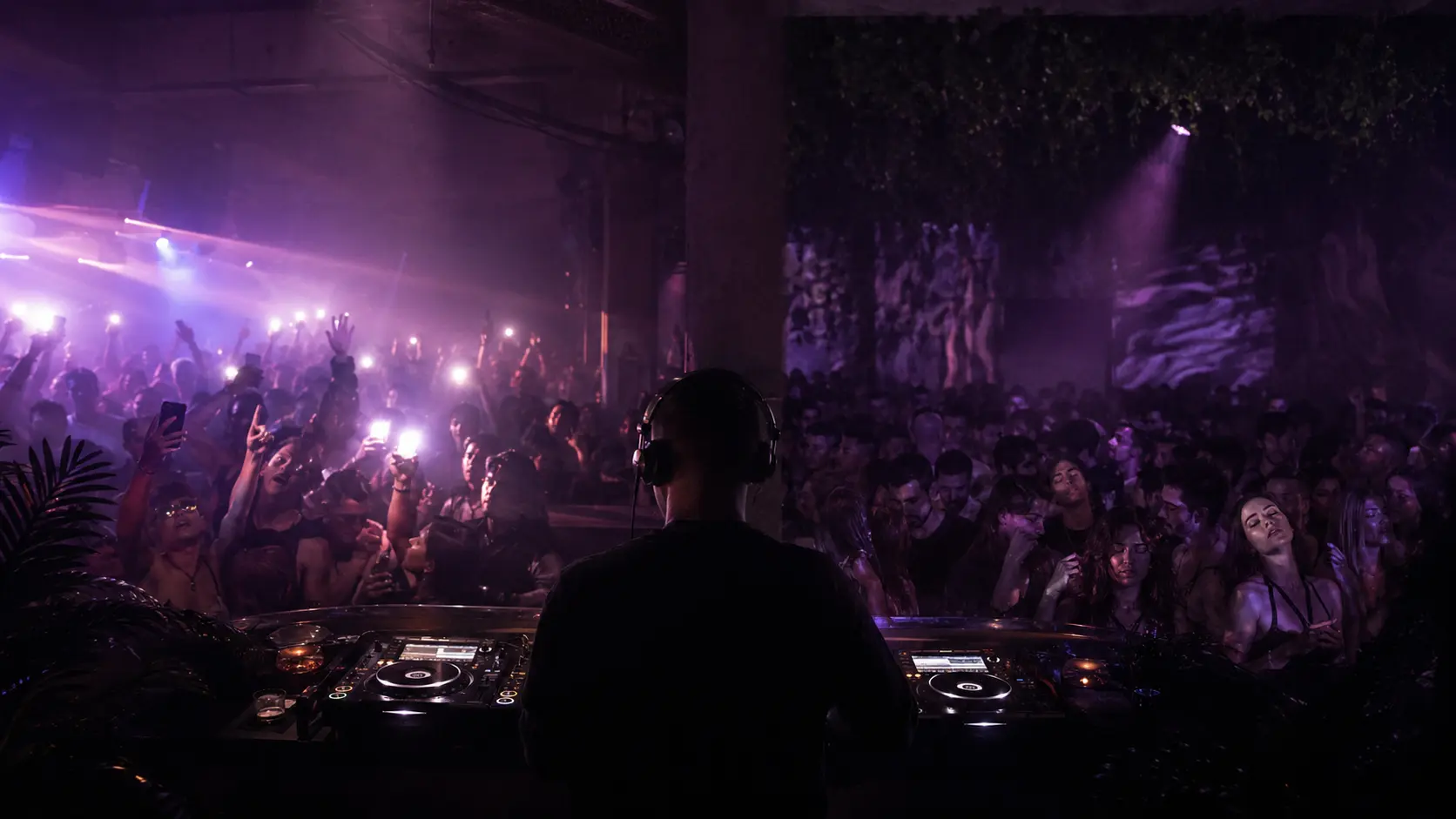
A good DJ can play the tracks you already love.
A great DJ — or a true selector — can make you fall in love with tracks you have never heard before.
That difference may sound simple, but on a dancefloor, it can completely change the way a set is experienced. One approach confirms what the crowd already knows. The other expands what the crowd is capable of feeling.
Familiarity Works Fast
Most DJ sets are built around recognition.
A familiar intro. A viral vocal. A Beatport chart track. A record people saved on Spotify, heard on TikTok, or saw in a festival clip online.
And it works.
The crowd recognizes the track early. The energy rises instantly. Phones come out. Hands go up. The reaction is almost guaranteed.
There is nothing wrong with that. A DJ who understands what the crowd wants and delivers it at the right moment is still doing the job properly. Familiarity can create connection, especially in big rooms, festivals, or high-pressure sets where the audience expects immediate payoff.
But it is also the safer route.
Discovery Hits Differently
A selector works with a different mindset.
They are not only chasing the crowd’s memory. They are trying to build a new one.
Instead of giving people exactly what they expect, a selector slowly pulls them into unfamiliar territory. A groove they do not recognize. A vocal they did not come for. A rhythm that feels unusual at first, then suddenly makes sense.
That moment is powerful because it is not just a reaction. It is conversion.
The crowd did not arrive loving that track. The DJ made them understand it.
Why Selection Is Harder Than It Looks
Anyone can play a record that already has the crowd’s approval.
Not everyone can make the crowd believe in a record they have never heard before.
That requires timing, confidence, patience, and most importantly — taste.
It also requires risk.
For a few minutes, the energy might feel uncertain. People may hesitate. The dancefloor may question where the set is going. That is usually the moment where the difference becomes clear.
Does the DJ panic and return to something obvious?
Or do they trust the journey they are building?
A great selector knows when to hold tension, when to release it, and when to let the room catch up.
The Problem With Reaction Culture
Today, many dancefloors are trained for familiarity.
Known drops get filmed. Viral tracks get instant reactions. Big moments are often measured by how quickly people recognize what is happening.
Because of that, many DJs naturally adapt. They optimize for reaction instead of exploration. The set becomes less about discovery and more about delivering moments the crowd already expects.
This does not always make the music worse. But it can make the experience more predictable.
When every set is built around the same obvious reactions, the dancefloor stops being surprised.
The Real Difference
A good DJ confirms your taste.
A great selector expands it.
The best sets are not always the ones where you recognize every track. Sometimes, they are the ones where you leave searching for IDs, saving new records, and remembering a moment you did not expect to feel.
That is the real power of selection.
It does not just play to what the crowd already knows.
It shows them what they might love next.
Related reading: Does a DJ Set Need to Be Perfect — or Simply Make You Feel Something?.