 By
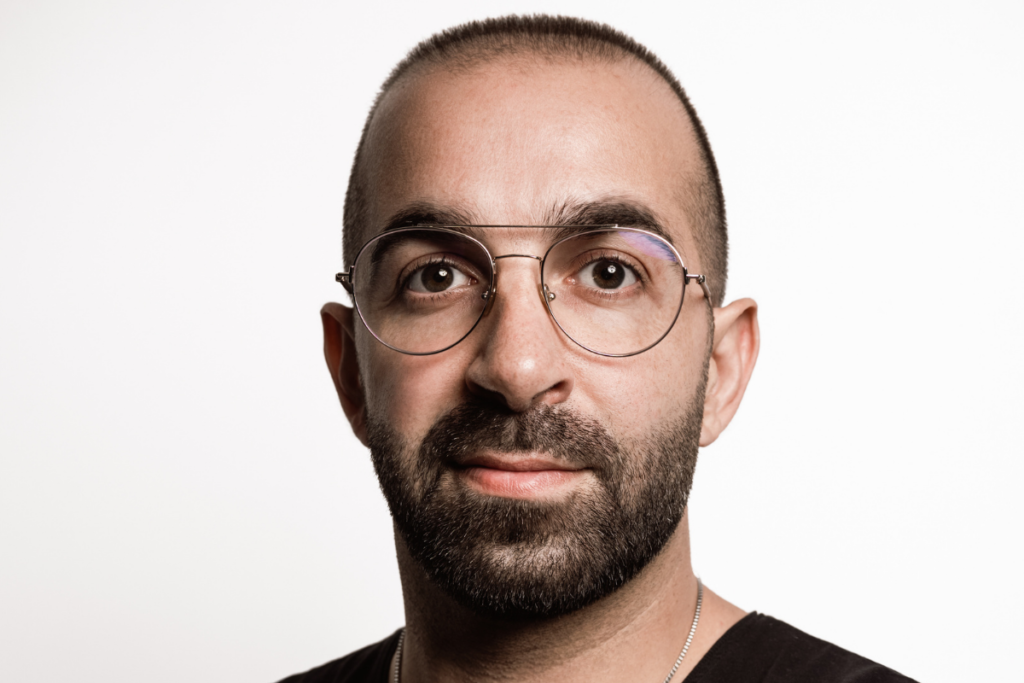
Yalla Techno speaks with Mark Abou Jaoude, Spotify’s Head of Music for MENAT+, about Egyptian electronic music reaching international audiences, the importance of sustained listener engagement, and the sounds shaping the wider MENA region. In this Mark Abou Jaoude interview, we explore these topics in depth.
Meet Mark Abou Jaoude
Mark Abou Jaoude is Spotify’s Head of Music for MENAT+. With over 15 years of experience in the music industry, Mark began his journey in radio, championing local talent across Lebanon, Jordan, and the UAE. As the landscape evolved, he shifted into streaming, leading artist discovery programs designed to spotlight and empower emerging voices from the region.
The Interview
Yalla Techno: Egyptian artists generated 35% more royalties on Spotify year-on-year, while 85% of their royalties came from listeners outside Egypt. Are you seeing a similar export trend specifically within Egypt’s electronic music scene, particularly house and techno? And which international markets are showing the strongest appetite for Egyptian electronic artists?
Mark Abou Jaoude: We’re seeing some great examples of Egyptian electronic music reaching audiences beyond the local scene, particularly when producers bring Arabic songs and vocals into house and Afro house. SHAF’s “Ya Man Hawah” with Ahmed Saad is one example, having been played on KSHMR’s Dharma Radio and featured on Spotify’s global playlists. Another is Misty’s take on Amr Diab’s “Wala Ala Balo” with Alan Dixon. It’s interesting to see familiar songs take on a new life on the dancefloor and reach listeners in different ways.
These examples show the potential for Egyptian electronic music to connect with international audiences, and I think there’s a real opportunity to build on that. We’re still at an early stage, but as more producers release music consistently and experiment with different sounds and influences, we’ll see more opportunities for listeners around the world to discover what Egypt’s electronic scene has to offer.
Yalla Techno: Egypt has developed a very active house and techno scene over the past few years, but many local electronic artists still find it difficult to break beyond the regional circuit. From Spotify’s data and perspective, what separates the Egyptian electronic artists who successfully reach international audiences from those who remain primarily local?
Mark Abou Jaoude: I don’t think it comes down to talent alone. Egypt has some incredibly talented producers, but reaching audiences beyond the region also takes the right connections, consistent releases and the ability to build on the attention a track receives.
Gawdat are a good recent example. Their track “Baila” was premiered at AYA Festival in Brazil and played in cities including Miami, New York and Toronto. Hassan Abou Alam is another artist worth highlighting, with his recent “Insa” EP, which includes “La3ba” featuring Ziad Zaza and Ismail Nosrat. Both are bringing their own distinct sounds and approaches to electronic music, showing the diversity of what Egypt’s scene has to offer.
From a streaming perspective, what’s particularly interesting is what happens after that initial exposure. Are listeners exploring an artist’s wider catalog? Are they coming back for new releases? Building that kind of sustained engagement is what can turn interest in a single track into a lasting audience.
For us in the region, it’s also important to see more Arabic voices and musical influences represented in electronic music internationally. There’s a real opportunity for Egyptian producers to contribute to that, whether they’re incorporating Arabic sounds into their music or developing their own interpretations of house and techno. Ultimately, breaking through is one thing, but sustaining that growth is just as important. Artists need the right support and opportunities to keep creating, releasing and reaching new audiences.
Yalla Techno: Looking at the wider MENA region, how significant is the growth of house, techno and electronic music on Spotify right now? Are there any specific sounds, cities or emerging scenes that Spotify is seeing gain momentum and that you believe the global music industry should be paying closer attention to?
Mark Abou Jaoude: Electronic music has been gaining momentum globally, and we’re seeing that energy reflected across MENA. What’s particularly exciting is how the ecosystem around the music is developing, with more venues, promoters, festivals and opportunities for artists to perform and connect with audiences.
Egypt and Lebanon have long-established electronic music scenes, while markets like Saudi Arabia, Morocco and the UAE are also contributing to the region’s growing presence in electronic music. Festivals like Sandbox in Egypt, Soundstorm in Saudi Arabia, MOGA in Morocco and UNTOLD Dubai are helping bring international and regional talent together, creating more opportunities for local artists to gain exposure.
From Spotify’s perspective, discovery plays an important role in connecting these scenes with wider audiences. Playlists like “mint نعنع,” “mosaic” and “Moroccan Moonlight” give listeners a way to explore different sounds, while our track IDs series allows DJs to share playlists featuring music from their sets, giving listeners another way to discover new tracks and artists. That exchange is particularly exciting because it works both ways. A track from a regional producer can find its way into an international DJ’s set, while DJs from the region can introduce their audiences to artists they might not otherwise come across.
Egypt stands out for the way producers are incorporating Arabic vocals, Egyptian percussion and influences from shaabi and mahraganat into house and techno. In Morocco, the fusion of Gnawa rhythms with electronic music is another exciting direction, while across the Levant, dabke rhythms and traditional melodies are bringing a different energy to club sounds.
What’s particularly interesting is how artists are taking these influences and making them their own. For the global industry, there’s an opportunity to get closer to these scenes, understand what’s resonating with local audiences and help bring these sounds to listeners around the world.