 By
By 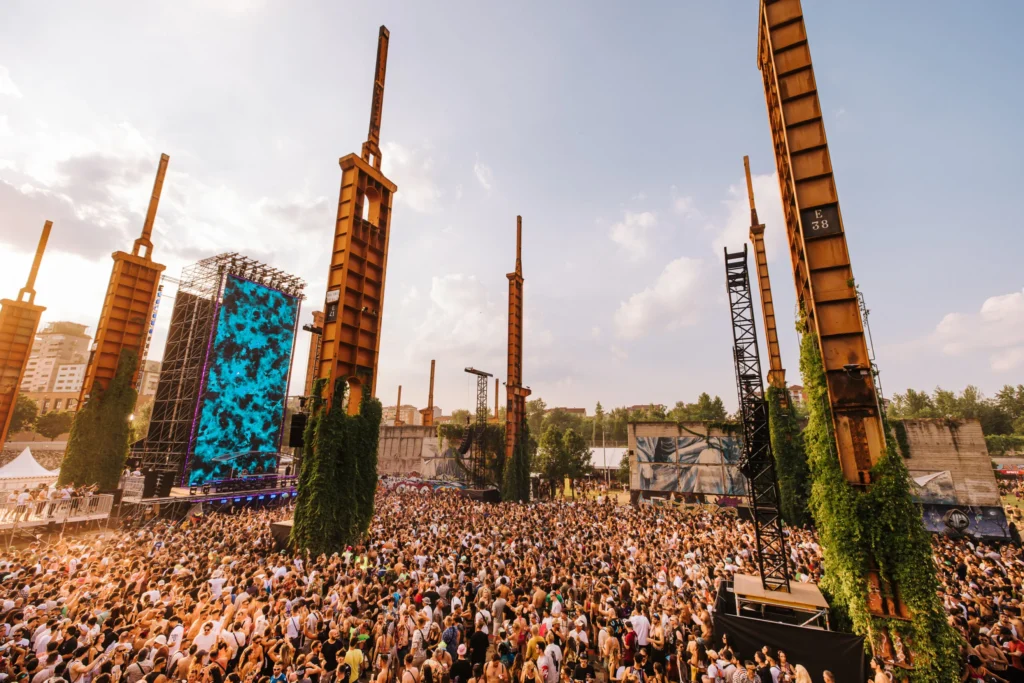
From Pirate Radio DNA to Festival Main Stages
For years, UK garage and tech house existed in parallel lanes. One was rooted in pirate radio culture, rewinds, and bass-heavy experimentation. The other became a clubland staple, dominating Ibiza lineups and underground warehouses alike. In 2026, those lanes are increasingly colliding, creating one of the most exciting movements in global dance music.
What makes the current wave different is that artists are no longer treating genres as fixed identities. Instead, producers are borrowing freely from speed garage, bassline, tech house, breaks, and old-school UKG, building records that feel equally at home in a sweaty basement club or on a massive festival stage.
The result is a sound that feels distinctly British yet globally accessible — a combination that has helped the scene explode far beyond the UK.
The New Faces Leading the Charge
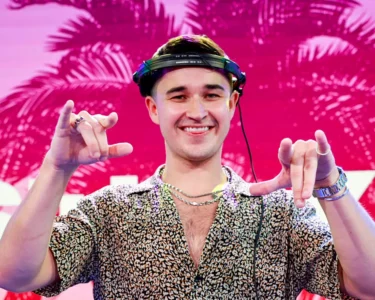
Among the names gaining serious momentum is Riordan, whose blend of house, garage, and breakbeat influences has quickly turned him into one of the most talked-about young artists from the UK underground. Emerging during lockdown, the South Coast producer has already moved from intimate club shows to international touring, with a growing reputation for high-energy productions and unpredictable DJ sets.
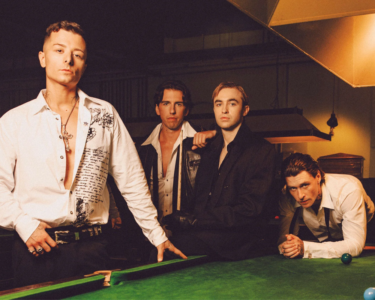
Alongside him, Silva Bumpa represents another side of the movement. Drawing inspiration from classic bassline and UK garage while injecting modern club-focused production, his tracks carry a nostalgic quality without sounding retro. His use of swung drums, warped vocals, and heavy sub-bass has helped establish a signature style that resonates with a new generation of ravers.
Beyond those names, artists like Sammy Virji, MPH, Notion, Oppidan and Interplanetary Criminal continue pushing UK-rooted sounds into international markets. What was once considered a niche British underground scene is now appearing across major festival lineups in North America, Australia, and mainland Europe.
Why The World Is Listening
Part of the appeal comes from contrast.
After years of polished festival house and formulaic EDM drops, audiences appear to be reconnecting with groove-driven music. Garage-inspired drums create movement. Basslines feel playful rather than aggressive. Vocals are often chopped, pitched, and imperfect in a way that adds character instead of removing it.
The current UK wave also benefits from something previous generations lacked: instant global exposure. A track can move from a London club to a TikTok trend, then appear in a festival set on the other side of the world within days.
Platforms like SoundCloud, TikTok and Boiler Room have become modern equivalents of pirate radio — accelerating discovery while maintaining a sense of underground credibility.
A Scene Moving Forward, Not Backward
What makes the movement particularly exciting is that it isn’t simply a revival of UK garage or a continuation of traditional tech house.
Instead, it sits somewhere in between.
Veterans such as MJ Cole helped establish the foundations decades ago, while contemporary artists are reshaping those influences through modern production techniques and club culture.
As audiences continue searching for music that feels both energetic and authentic, the fusion of tech house, garage and bassline appears perfectly positioned for further growth. Whether it’s Riordan’s crossover-ready grooves, Silva Bumpa’s nostalgic club pressure, or the wider ecosystem of emerging UK talent, the message is becoming increasingly clear.
The UK underground is no longer just influencing global dance music.
Right now, it’s helping define where it goes next.
Related reading: Is Tech House Getting Faster? The BPM Shift Reshaping Dancefloors.